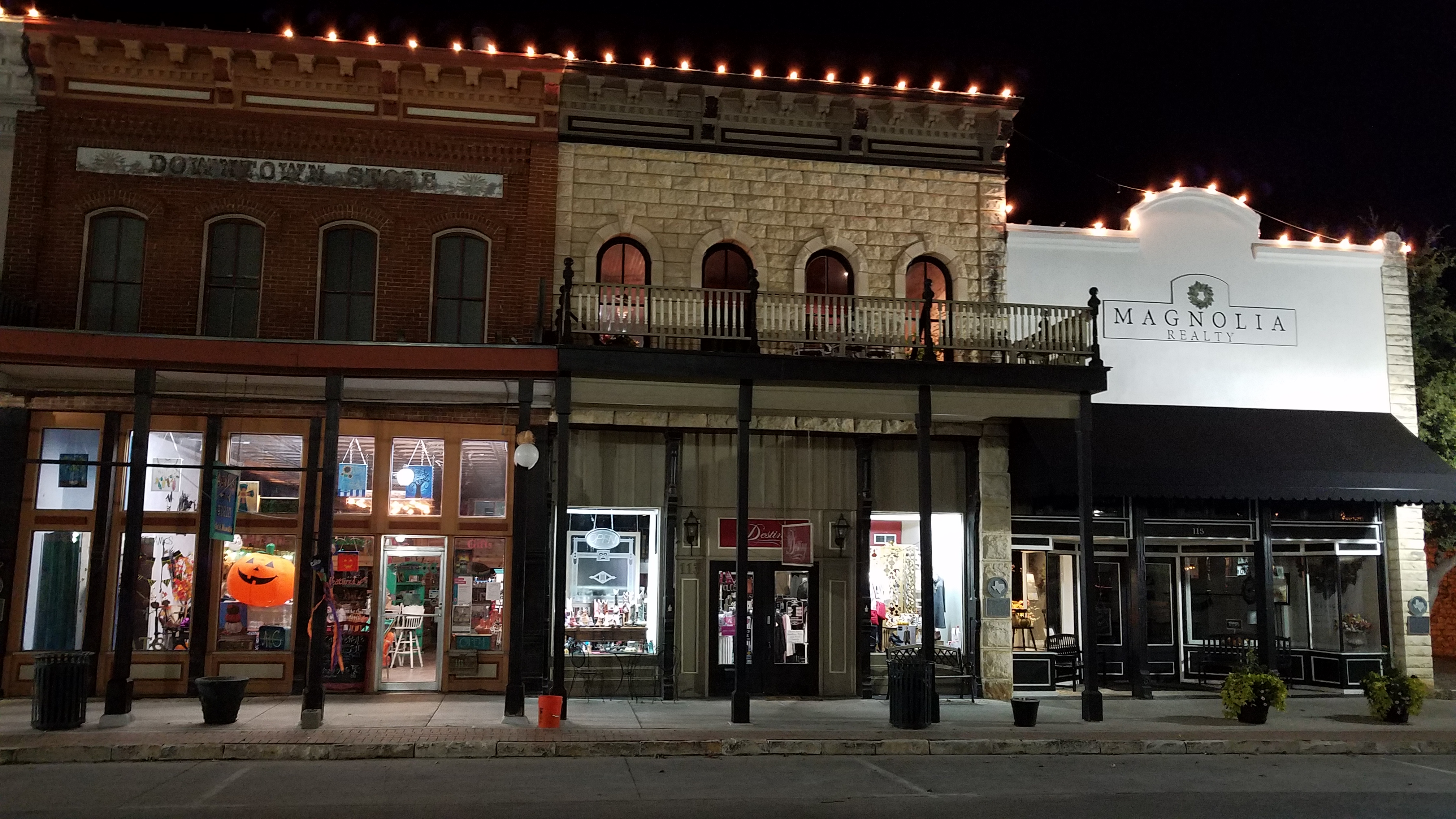
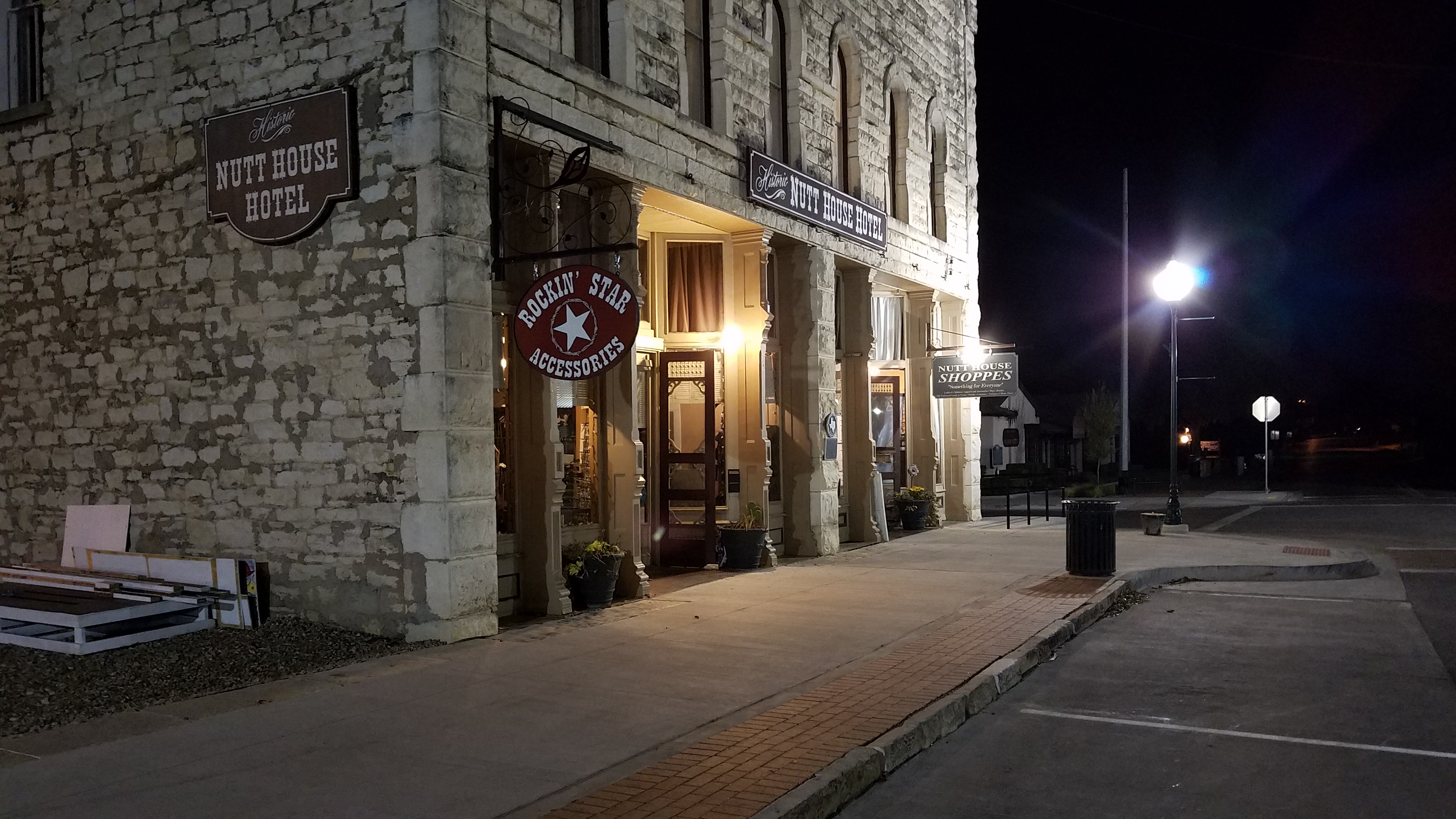
Granbury is a city and the county seat of Hood County, Texas, United States. As of the 2010 census, the city population was 7,978 and is the principal city of the Granbury Micropolitan Statistical Area. Granbury is located 35 miles southwest of Fort Worth, Texas.
Founded in 1887, Granbury started as a square and log cabin courthouse. Many of the buildings on the square are now registered historic landmarks, including the Granbury Opera House, which still hosts Broadway productions. The city name originated from the Confederate General Hiram B. Granberry. Some scholars, to explain why the city name is spelled differently, believe the name Granberry was misread on a document, but recent findings have concluded that Granberry chose to spell his name Granbury.[5]
Recent expansion of the city was made possible by the damming of the Brazos River in 1969, which formed Lake Granbury, a long, narrow lake which flows through the city.
Granbury and Hood County are rich in Texas history. David (Davy) Crockett‘s wife, Elizabeth, settled in Hood County in 1853 following the Texas Revolution against Mexico. Crockett, as well as other Alamo participants, received 640 acres in land grants. The Crockett family received land in what is now Hood County. Elizabeth Crockett is buried in Acton State Historic Site,[6] the smallest state park in Texas. A large statue of Elizabeth Crockett marks her grave site. Several of Crockett’s descendants still reside in Hood County.
John Wilkes Booth, according to Granbury legend, moved to Hood County and assumed the name of John St. Helen. A store on the historic town square, St. Helen’s, is named after him.
The music in the video is; “I Don’t See the Branches, I See the Leaves” by Chris Zabriskie is licensed under a Creative Commons Attribution license (https://creativecommons.org/licenses/by/4.0/)
Amazon’s newest, largest wind farm – Amazon Wind Farm Texas – is up and running, adding more than 1,000,000 MWh of clean energy to the grid each year. To date, we’ve launched 18 wind and solar projects across the U.S., with more than 35 additional projects to come.
Together, these projects will generate enough clean energy to power over 330,000 homes and will support hundreds of jobs, while providing tens of millions of dollars of investment in local communities across the U.S.
Amazon Wind Farm Texas includes more than 100 turbines – each over 300 feet tall with a rotor diameter more than twice the wingspan of a Boeing 787. Amazon Wind Farm Texas is built, owned, and operated by Lincoln Clean Energy (LCE), a leading developer of wind and solar projects across the U.S.
To thank and support the local community, Amazon is donating $50,000 to the Snyder Education Foundation to provide students and teachers with STEM learning opportunities.
“Investing in renewable energy is a win-win-win-win – it’s right for our customers, our communities, our business, and our planet,” said Kara Hurst, Amazon’s Worldwide Director of Sustainability. “We now have 18 wind and solar projects across the U.S. with more than 35 projects to come. These are important steps toward reaching our long-term goal to power our global infrastructure using 100% renewable energy. We’d like to thank the leaders at LCE, the Scurry County community, and our partners across the country who are helping us continue to bring new renewable energy online.”
“We’ve made a lot of progress on this commitment. AWS (Amazon Web Services) exceeded its goal of 40% renewable energy by the end of 2016, and set a new goal to be powered by 50% renewable energy by the end of 2017.”
In 2015, AWS announced the construction of Amazon Solar Farm US East, Amazon Wind Farm Fowler Ridge, Amazon Wind Farm US Central and Amazon Wind Farm US East, located in Virginia, Indiana, Ohio and North Carolina respectively. Amazon Wind Farm Fowler Ridge became operational January 1, 2016, and Amazon Solar Farm US East went into operation in October, 2016.
In 2016, AWS announced the construction of Amazon Wind Farm US Central 2, a 189 megawatt wind farm in Hardin County, Ohio. We also announced five additional solar farms: Amazon Solar Farm US East 2, Amazon Solar Farm US East 3, Amazon Solar Farm US East 4, Amazon Solar Farm US East 5 each have a capacity of 20 megawatts and are located in New Kent, Buckingham, Sussex, and Powhatan counties in Virginia. Amazon Solar Farm US East 6 is a 100 megawatt facility in Southampton County, Virginia.
These ten renewable energy projects will deliver a total of 2.6 million MWh of energy annually onto the electric grid powering AWS data centers located in the AWS US East (Ohio) and AWS US East (N. Virginia) Regions. The electricity produced from these projects is enough to power the equivalent of over 240,000 U.S. homes annually, which is approximately the size of the city of Portland, Oregon.
See-through solar materials that can be applied to windows represent a massive source of untapped energy and could harvest as much power as bigger, bulkier rooftop solar units, scientists report today in Nature Energy.
Led by engineering researchers at Michigan State University, the authors argue that widespread use of such highly transparent solar applications, together with the rooftop units, could nearly meet U.S. electricity demand and drastically reduce the use of fossil fuels.
“Highly transparent solar cells represent the wave of the future for new solar applications,” said Richard Lunt, the Johansen Crosby Endowed Associate Professor of Chemical Engineering and Materials Science at MSU. “We analyzed their potential and show that by harvesting only invisible light, these devices can provide a similar electricity-generation potential as rooftop solar while providing additional functionality to enhance the efficiency of buildings, automobiles and mobile electronics.”
Lunt and colleagues at MSU pioneered the development of a transparent luminescent solar concentrator that when placed on a window creates solar energy without disrupting the view. The thin, plastic-like material can be used on buildings, car windows, cell phones or other devices with a clear surface.
The solar-harvesting system uses organic molecules developed by Lunt and his team to absorb invisible wavelengths of sunlight. The researchers can “tune” these materials to pick up just the ultraviolet and the near-infrared wavelengths that then convert this energy into electricity (watch a demonstration of the process here).
Moving global energy consumption away from fossil fuels will require such innovative and cost-effective renewable energy technologies. Only about 1.5 percent of electricity demand in the United States and globally is produced by solar power.
But in terms of overall electricity potential, the authors note that there is an estimated 5 billion to 7 billion square meters of glass surface in the United States. And with that much glass to cover, transparent solar technologies have the potential of supplying some 40 percent of energy demand in the U.S. – about the same potential as rooftop solar units. “The complimentary deployment of both technologies,” Lunt said, “could get us close to 100 percent of our demand if we also improve energy storage.”
Lunt said highly transparent solar applications are recording efficiencies above 5 percent, while traditional solar panels typically are about 15 percent to 18 percent efficient. Although transparent solar technologies will never be more efficient at converting solar energy to electricity than their opaque counterparts, they can get close and offer the potential to be applied to a lot more additional surface area, he said.
Right now, transparent solar technologies are only at about a third of their realistic overall potential, Lunt added.
“That is what we are working towards,” he said. “Traditional solar applications have been actively researched for over five decades, yet we have only been working on these highly transparent solar cells for about five years. Ultimately, this technology offers a promising route to inexpensive, widespread solar adoption on small and large surfaces that were previously inaccessible.”
The work is funded by the National Science Foundation and the U.S. Department of Education.
Lunt’s coauthors are Christopher Traverse, a doctoral student in engineering at MSU, and Richa Pandey and Miles Barr with Ubiquitous Energy Inc., a company Lunt cofounded with Barr to commercialize transparent solar technologies.
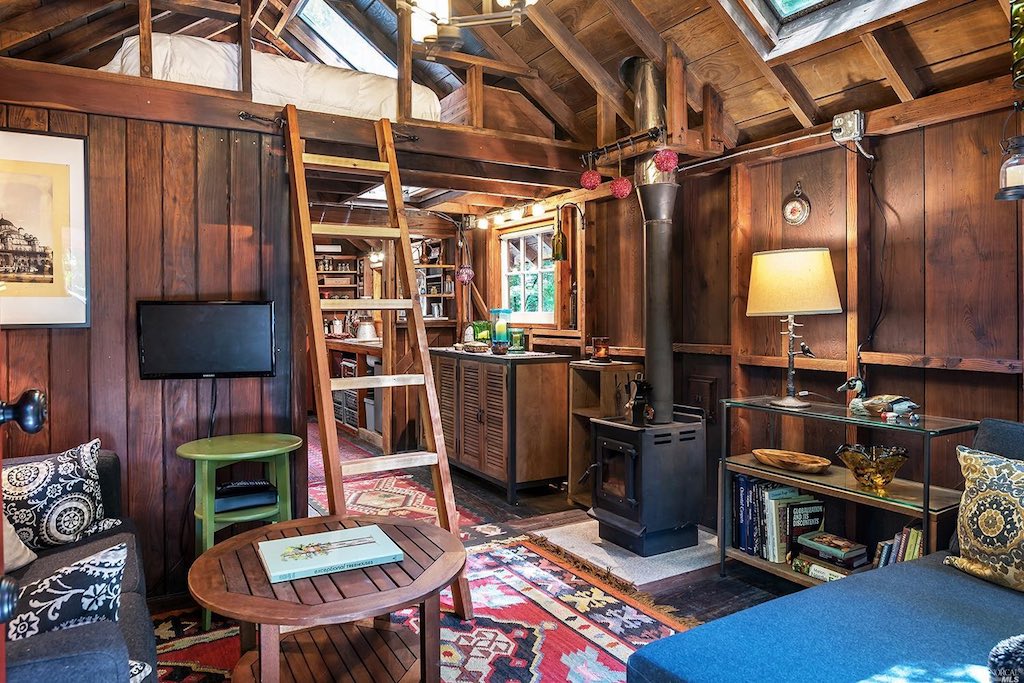
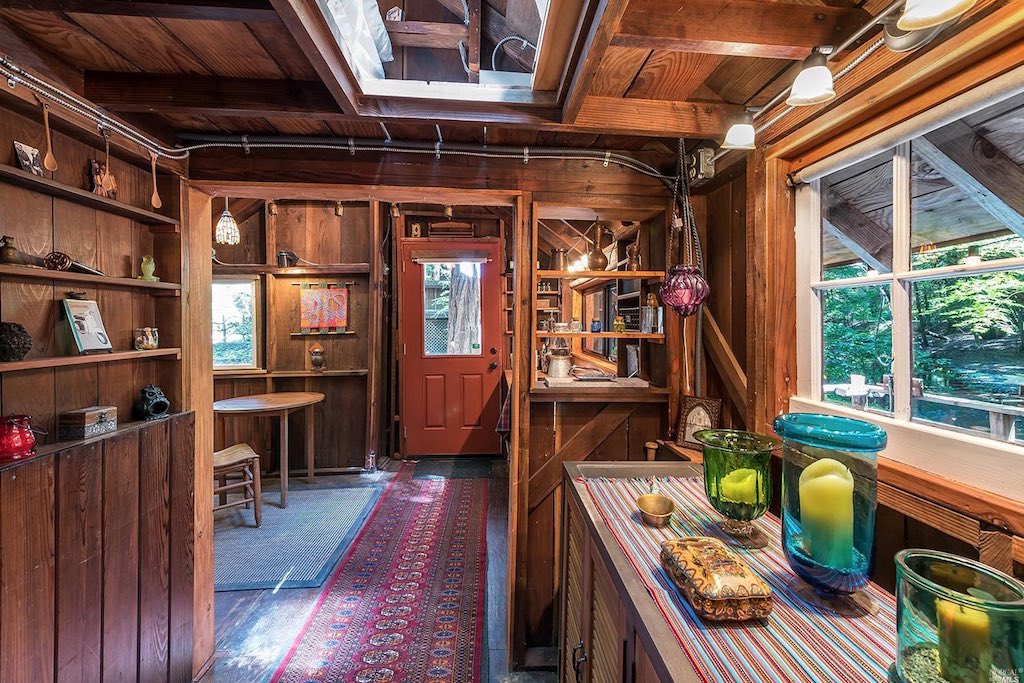
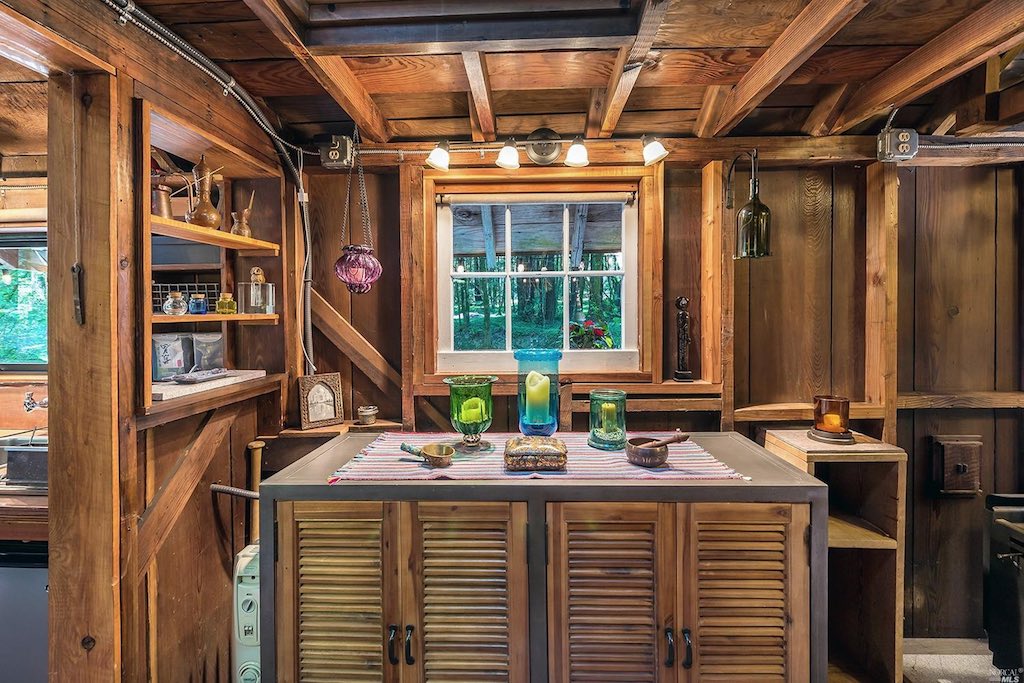
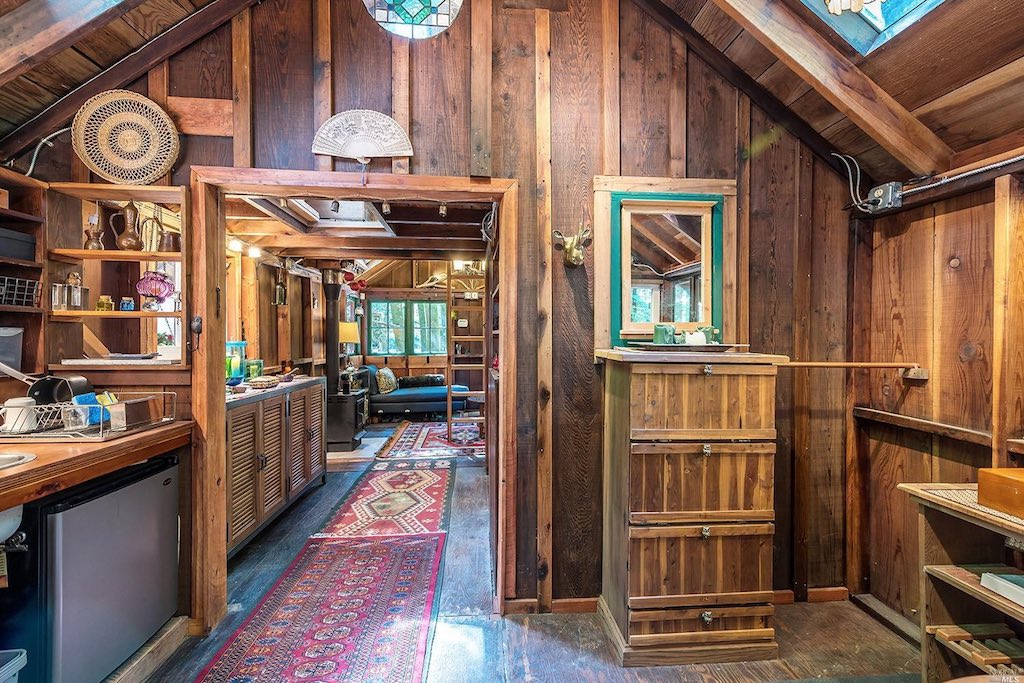
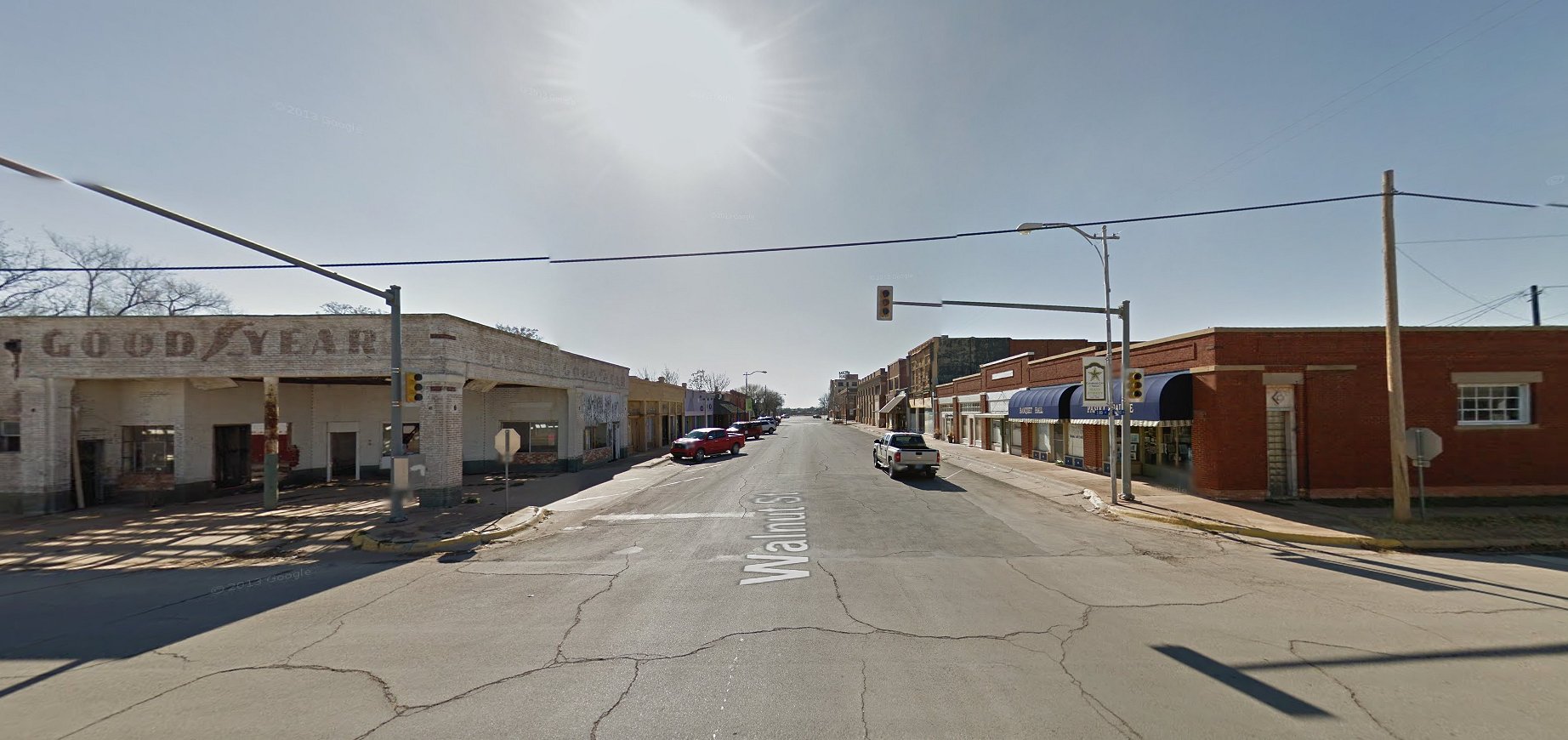
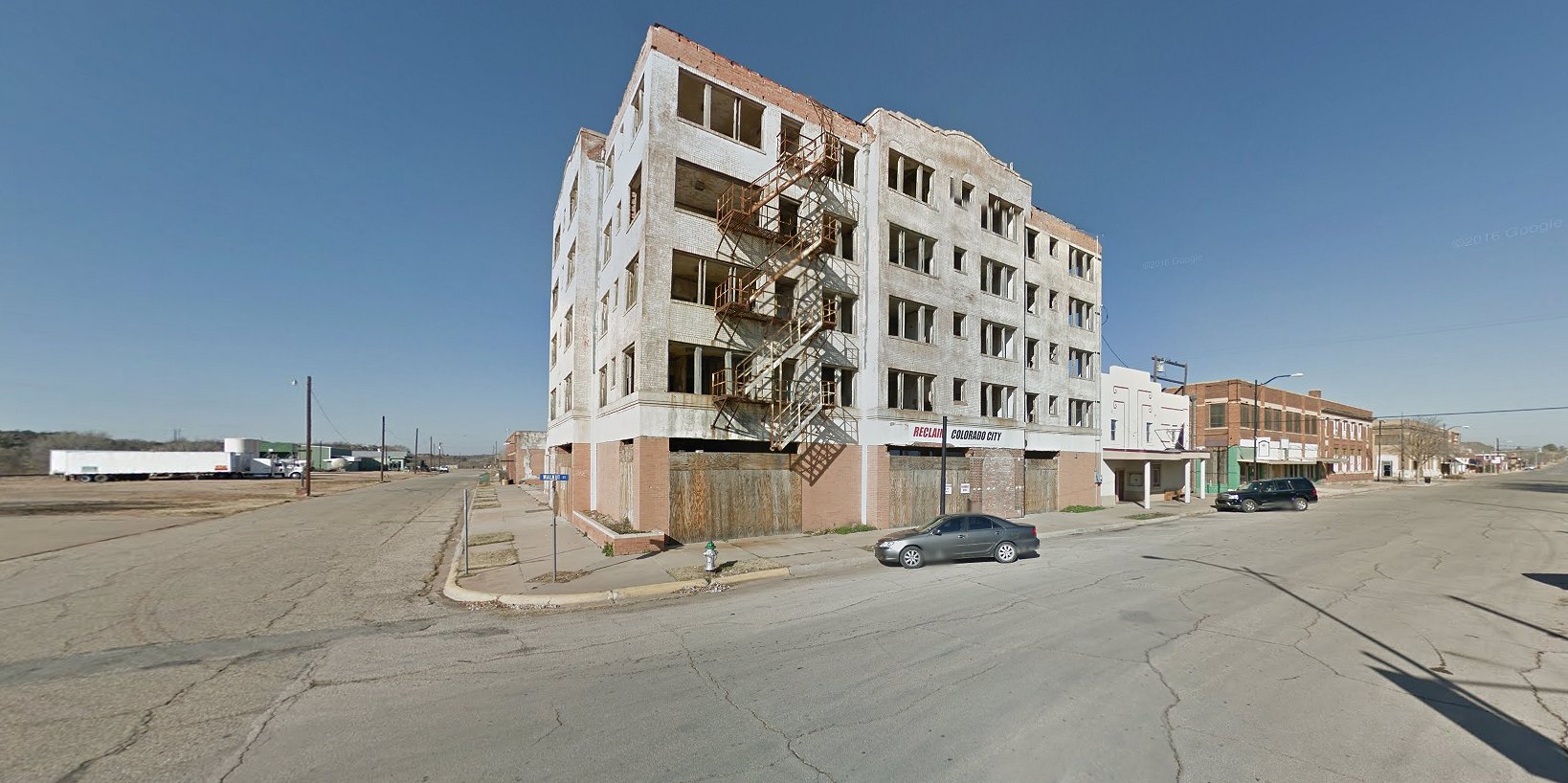
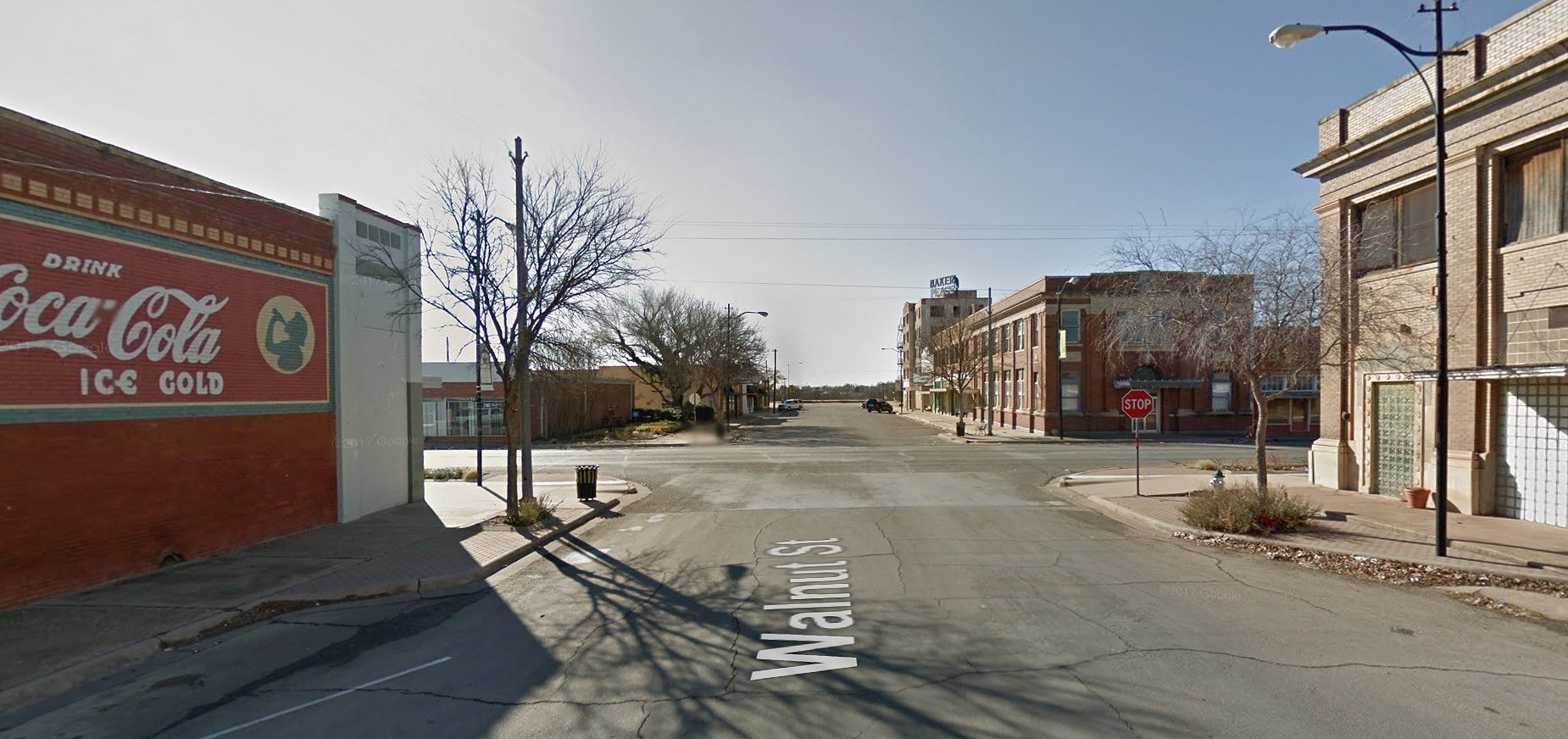
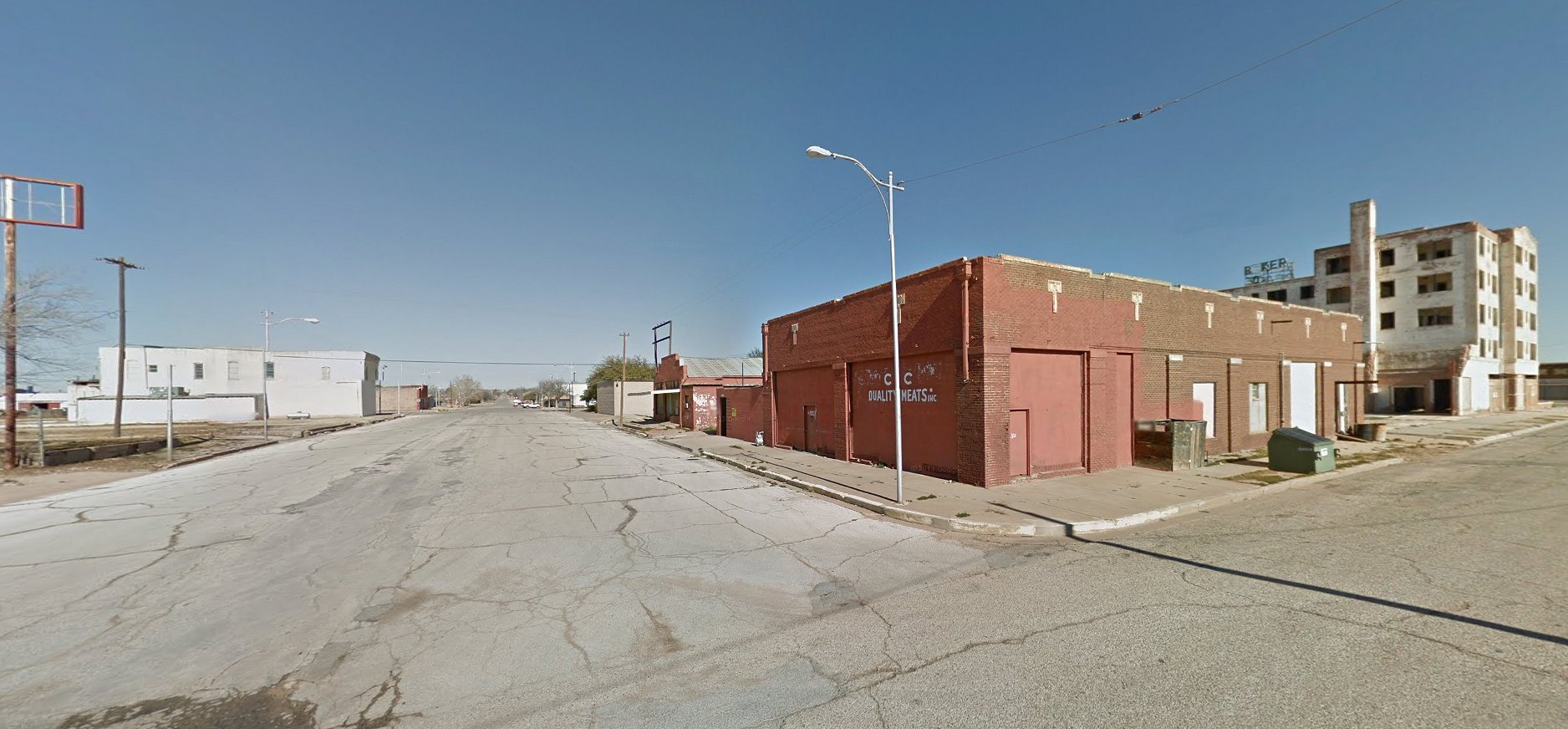
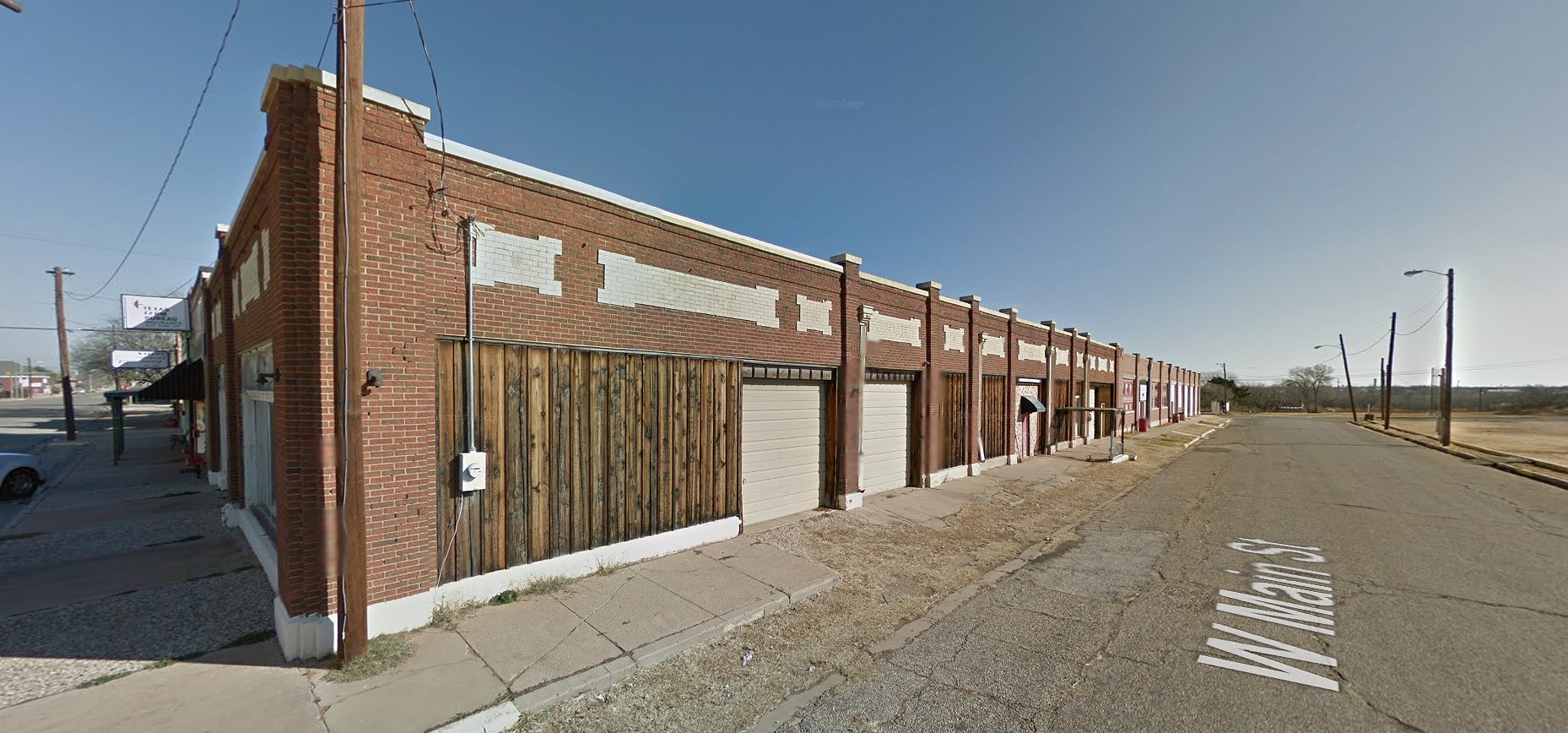
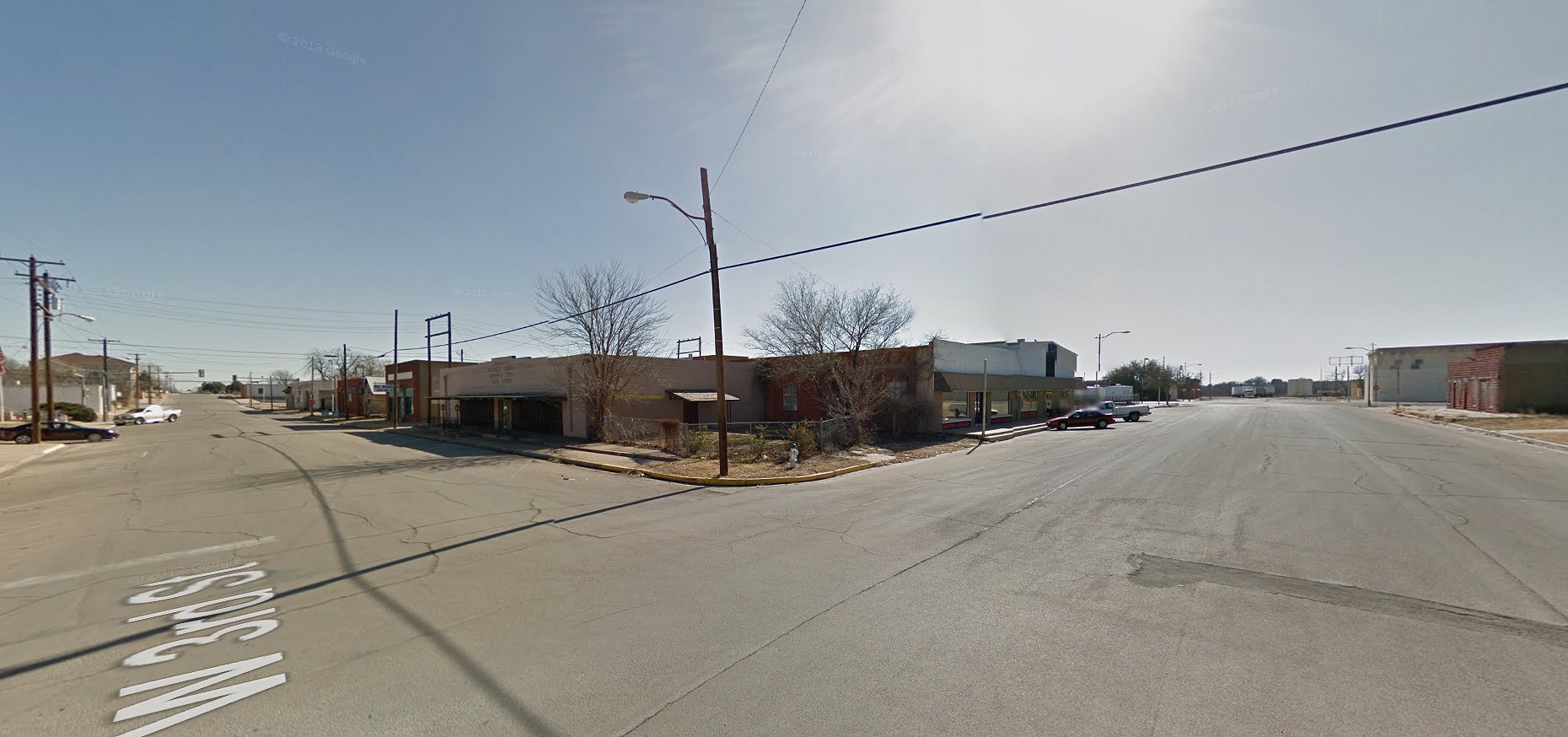
The State Of Texas has some great, historic towns, but when I see some that once thrived but are no longer doing so, it breaks my heart, and it also makes me curious. I think about all the pioneers that settled there, and why they chose to do so. I also think about what it took to make the town grow, as well as what caused that to change. Why did business stop thriving, or close, which forces some of the residents to move where jobs are a lot more plentiful. I also think about all the great old buildings in those towns that are now sitting empty and the possibilities for re-purposing some of them into economical housing for retirees, who no longer need income to survive. The Baker Hotel, in Colorado City, Texas could probably be purchased at a good price and restored into a nice seniors condominium project that could include a restaurant, and gathering place on the first floor for it’s active residents and tourists. Would Colorado City’s current leaders be open to that sort possibility, and offer incentives that would attract visionaries and investors? Would those leaders be open to new ideas for their towns that would turn things around? If so, we would like to help.If it’s built will people come? I look at thriving Texas retirement towns like; Granbury, or Fredericksburg and notice they have a lot of things going on that draw retirees and tourist there, such as all the wineries on 290, and all the great shops in downtown Fredericksburg, which didn’t happen by chance. It look leaders with long range vision and the ability to attract businesses and investors to that great town, who were willing to help develop the vision. Granbury has a lake that runs through town and a charming downtown with lots of shops and dining options available. My family first bought a lake house in Granbury in 1970 and we have seen the tremendous growth over the decades. There are also multiple golf courses in Granbury, which make it very attractive to retirees who are looking to relocate. Spur Texas leaders are taking steps to help turn their town around by rolling out the red carpet for Tiny Home dwellers, and the more folks move there for that purpose the more it will attract new business opportunities. The growth in Spur won’t happen over night, but I believe the tiny homes welcome mat is a big step in the right direction. This is the first post about old Texas towns that once thrived, but have a lot potential turn around possibilities. Part of our vision with Texas Tiny Homes is to create residential communities for retirees in towns that have a lot to offer. Restoring an old hotel in a town like Colorado City is definitely something we would consider and be interested in helping create a new vision. Working with city leaders to create a new vision for their towns is also something we are interested in doing.The History of Colorado City, Texas, the county seat of Mitchell County, is on the Colorado River, Lone Wolf Creek, U.S. Highway 20/80, State highways 208 and 163, and the Missouri Pacific Railroad, thirty-eight miles east of Big Spring and twenty-three miles south of Snyder in the north central part of the county. It has been called the “Mother City of West Texas” for its early origin as a ranger camp in 1877 and for its prominence as a cattlemen’s center. In 1881 the town was chosen county seat and acquired a station on the new Texas and Pacific Railway. Local ranchers hauled in tons of buffalo bones for shipment to the East and loaded their empty wagons with provisions purchased from pioneer merchant William H. “Uncle Pete” Snyderqvand others. When the town was granted a post office in 1881 Prince A. Hazzard became the first postmaster. Water was hauled to town from Seven Wells and elsewhere and sold at fifty cents a barrel. The first school, conducted in a dugout in 1881, was moved to a building the next year, and soon a new building was built.By that time the town had between 200 and 300 residents and was a cattle-shipping center. Ranchers drove their cattle to Colorado City from as far north as Amarillo, from as far south as San Angelo, and from eastern New Mexico. Great herds were held until rail cars were available. After shipment, cowboys were free to enjoy the town’s amenities. Between 1881 and 1884 its five saloons multiplied to twenty-eight, and other businesses showed the same growth. The population was estimated as high as 6,000 in 1884–85. The boom slowed after the 1885–86 drought, however, and the 1890 population was 2,500.In May 1881 W. P. Patterson, a prominent rancher, was shot down by Texas Rangersqv. Citizens blamed the shooting on the rangers’ feud with cattlemen, and the ranger camp was moved from town to Hackberry Springs, twenty miles southwest. When Amarillo developed with the arrival of the Fort Worth and Denver Railway in 1887 and when the Santa Fe Railroad reached San Angelo a year later, business in Colorado City declined sharply. During the 1890s salt mining was important to the local economy, but salt declined in importance after 1900.A second boom between 1900 and 1906 followed the influx of farmers. The population of Colorado City was 3,000 in 1906. By 1910 the town had a new public school, a waterworks, and an electric plant. In 1914 the population was estimated at 1,500, and the town had two banks and a newspaper, the Colorado City Record. Though the drought of 1916–18 adversely affected local farmers, interest in oil increased. In 1916 the Consolidated Oil and Gas Company of Colorado was organized by local bankers, businessmen, and merchants to develop the area’s oil and gas resources, and by 1920 oil production was a part of the local economy. The Col-Tex Refinery began operation in 1924. By 1926 a city hall had been built, the streets were paved, and a new sewage system was in operation.In 1931 Colorado City had an estimated population of 4,761 and 200 businesses. By 1940 the population had increased to 5,213, but by 1945 the number of reported businesses had declined to 120. In the late 1940s increased oil activity in Mitchell, Scurry, Coke, and Borden counties caused some growth, and by 1949 the number of businesses in Colorado City had increased to 176. During the mid-1950s a drought, the longest on record, affected the area’s agricultural production, particularly of cotton. In 1955 the population was 6,774. Lake Colorado City, five miles southwest, was built in the late 1940s, and Champion Creek Reservoir, six miles south, was built in 1959. The population was estimated at 6,400 in 1965. The Col-Tex Refinery closed in 1969, but in the early 1970s new industries were established, including a meat-packing operation and a mobile-home plant. Colorado City had 5,300 residents and 126 businesses in 1975. In 1990 it had a population of 4,749, a hospital, and 104 businesses. Local attractions include the Colorado City Historical Museum, the Colorado City Playhouse, and an annual rodeo. In 2000 the population was 4,281, and the community contained 234 businesses.Population in 2014: 4,133 (87% urban, 13% rural). Population change since 2000: -3.5%
Median resident age:
38.9 years
Texas median age:
34.4 years
Zip codes:79512.Estimated median household income in 2015: $50,421 (it was $22,842 in 2000)
Colorado City:
$50,421
TX:
$55,653
Estimated per capita income in 2015: $20,542 (it was $15,591 in 2000)

 Recent expansion of the city was made possible by the damming of the Brazos River in 1969, which formed Lake Granbury, a long, narrow lake which flows through the city.
 Granbury and Hood County are rich in Texas history. David (Davy) Crockett‘s wife, Elizabeth, settled in Hood County in 1853 following the Texas Revolution against Mexico. Crockett, as well as other Alamo participants, received 640 acres in land grants. The Crockett family received land in what is now Hood County. Elizabeth Crockett is buried in Acton State Historic Site,[6] the smallest state park in Texas. A large statue of Elizabeth Crockett marks her grave site. Several of Crockett’s descendants still reside in Hood County.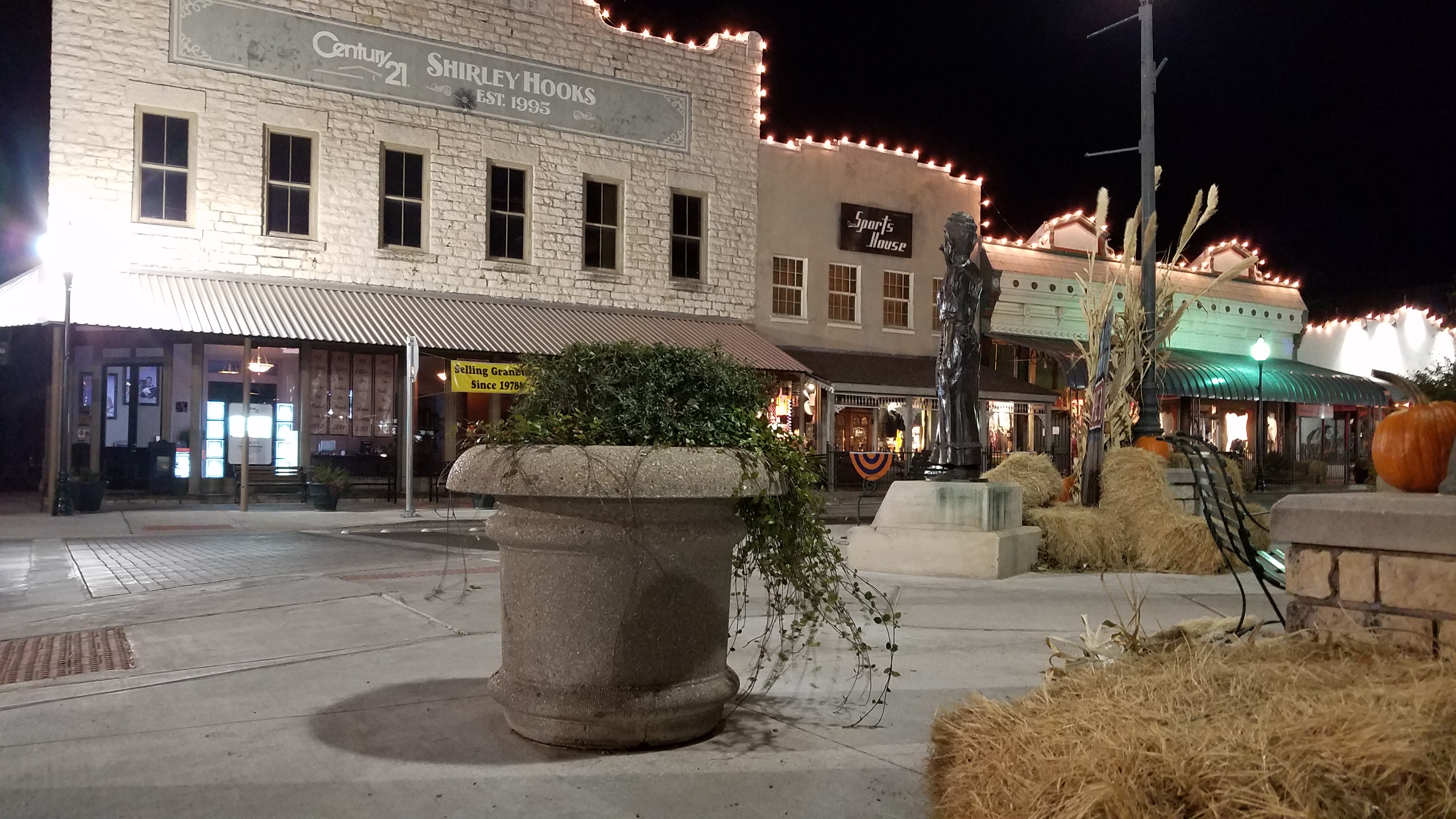




 38.9 years
 34.4 years