Avatar photo

About Administrator

My name is Bryan D. Smith and I founded Texas Tiny Homes in December of 2012. I do all of the web design work for the company including this website.
Avatar photo

My name is Bryan D. Smith and I founded Texas Tiny Homes in December of 2012. I do all of the web design work for the company including this website.

    Find more about me on:
  • facebook
  • googleplus
  • linkedin
  • pinterest
  • twitter
  • youtube

Here are my most recent posts

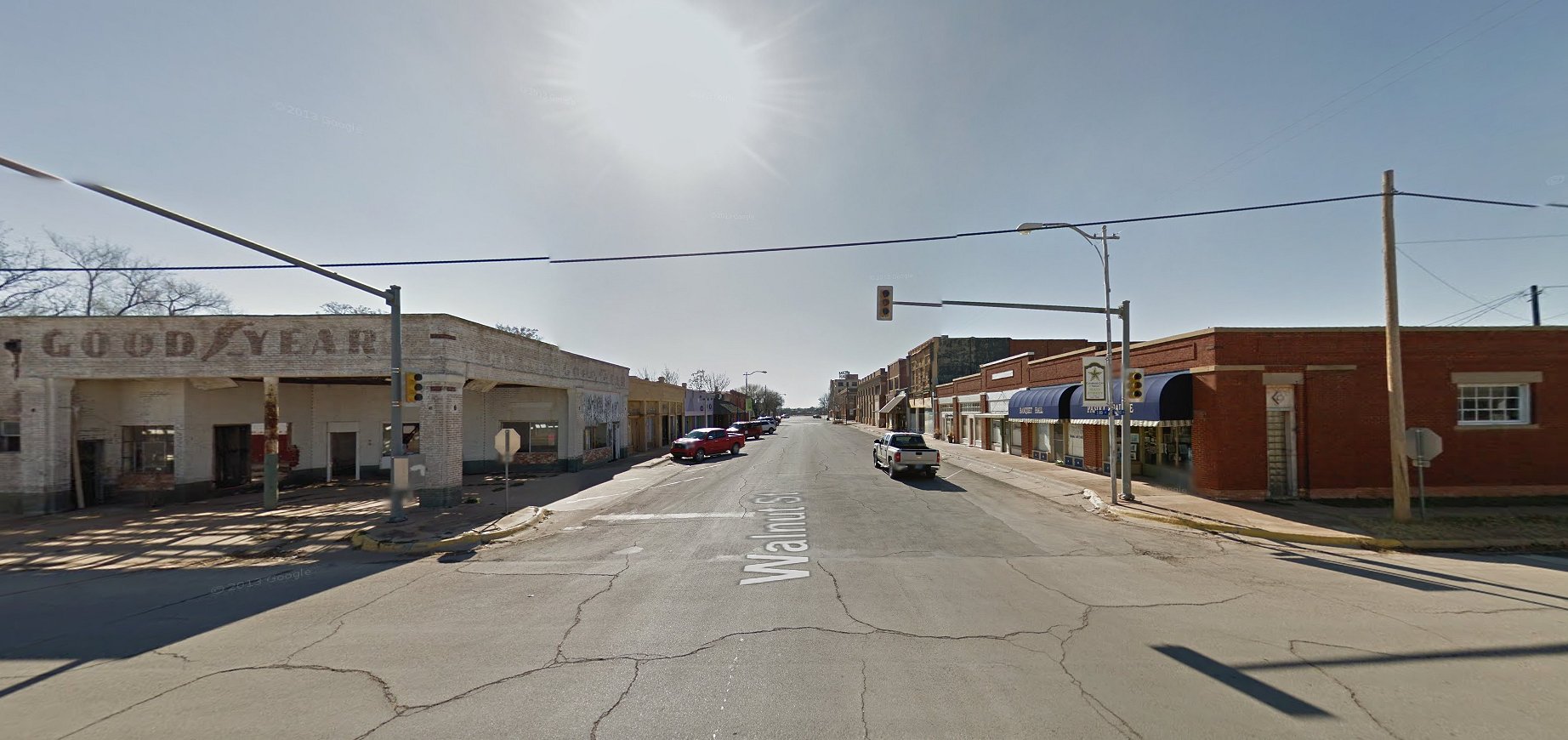
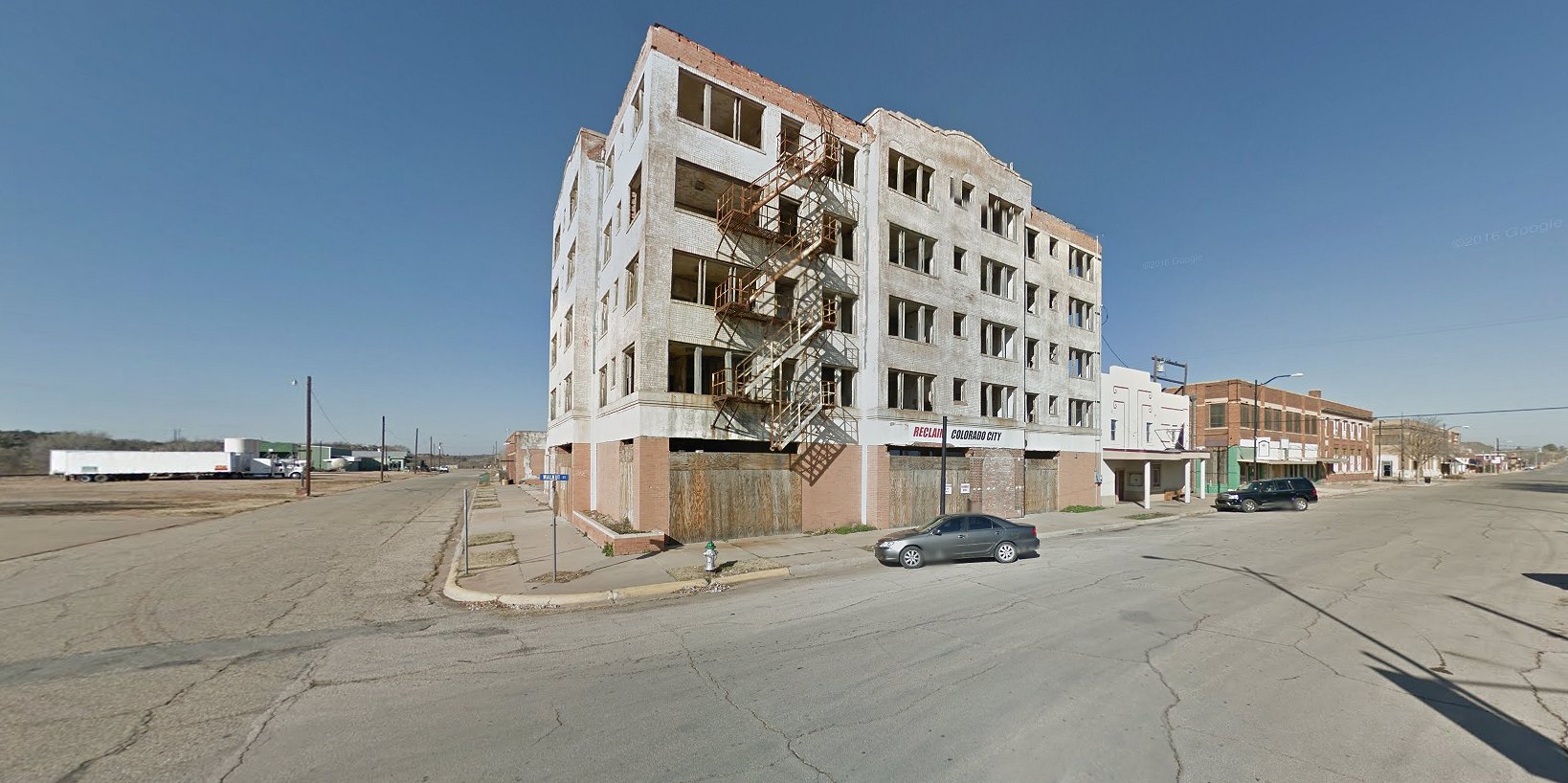
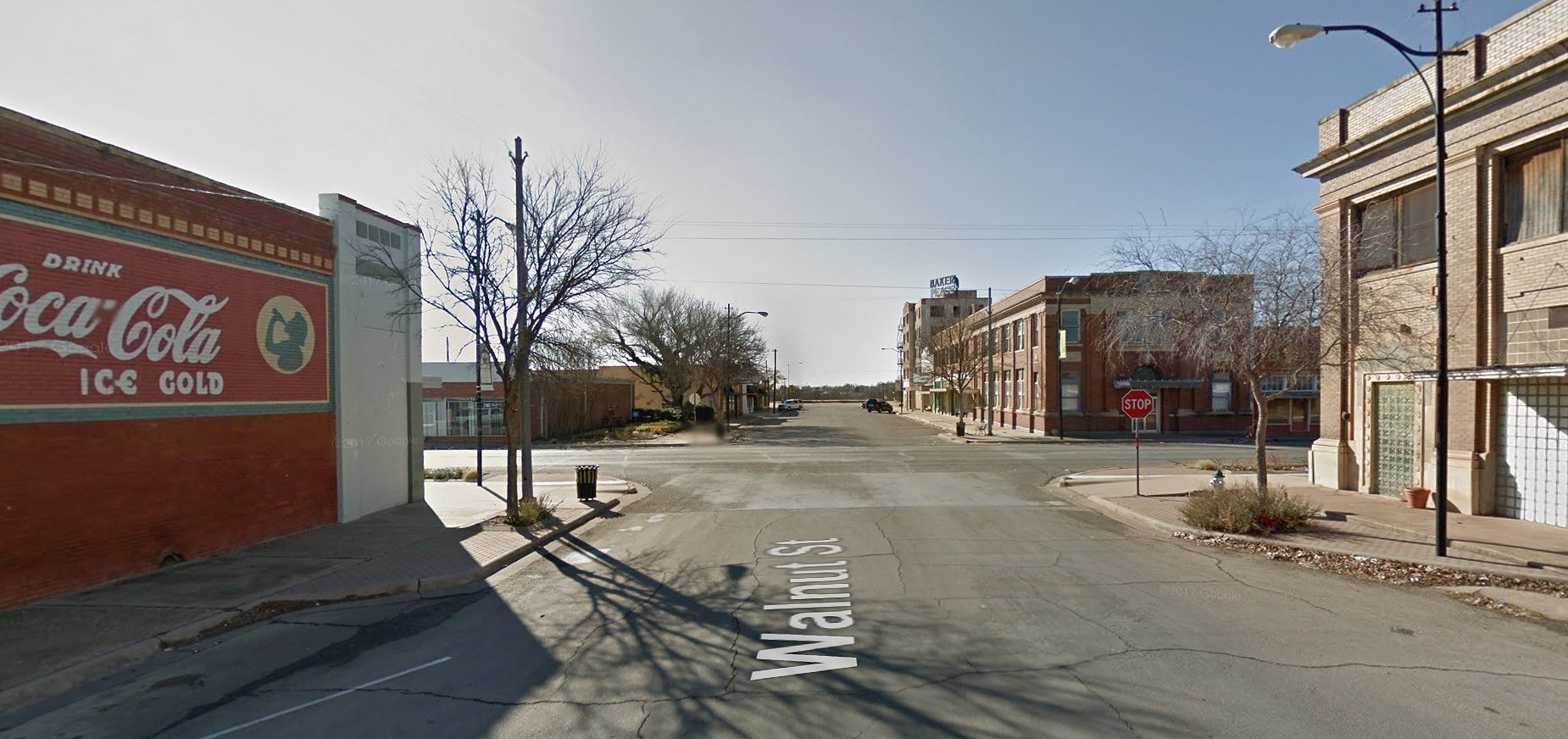
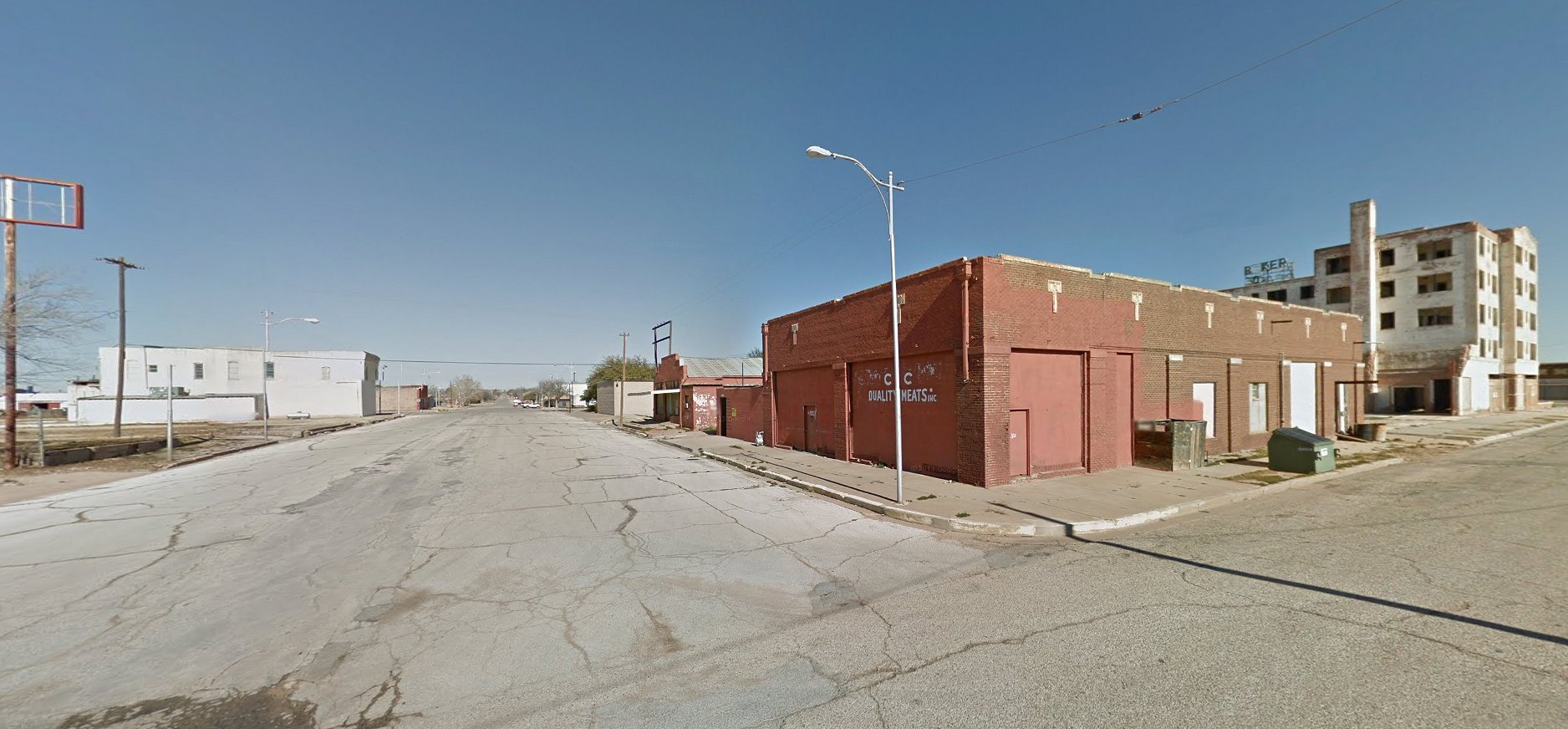
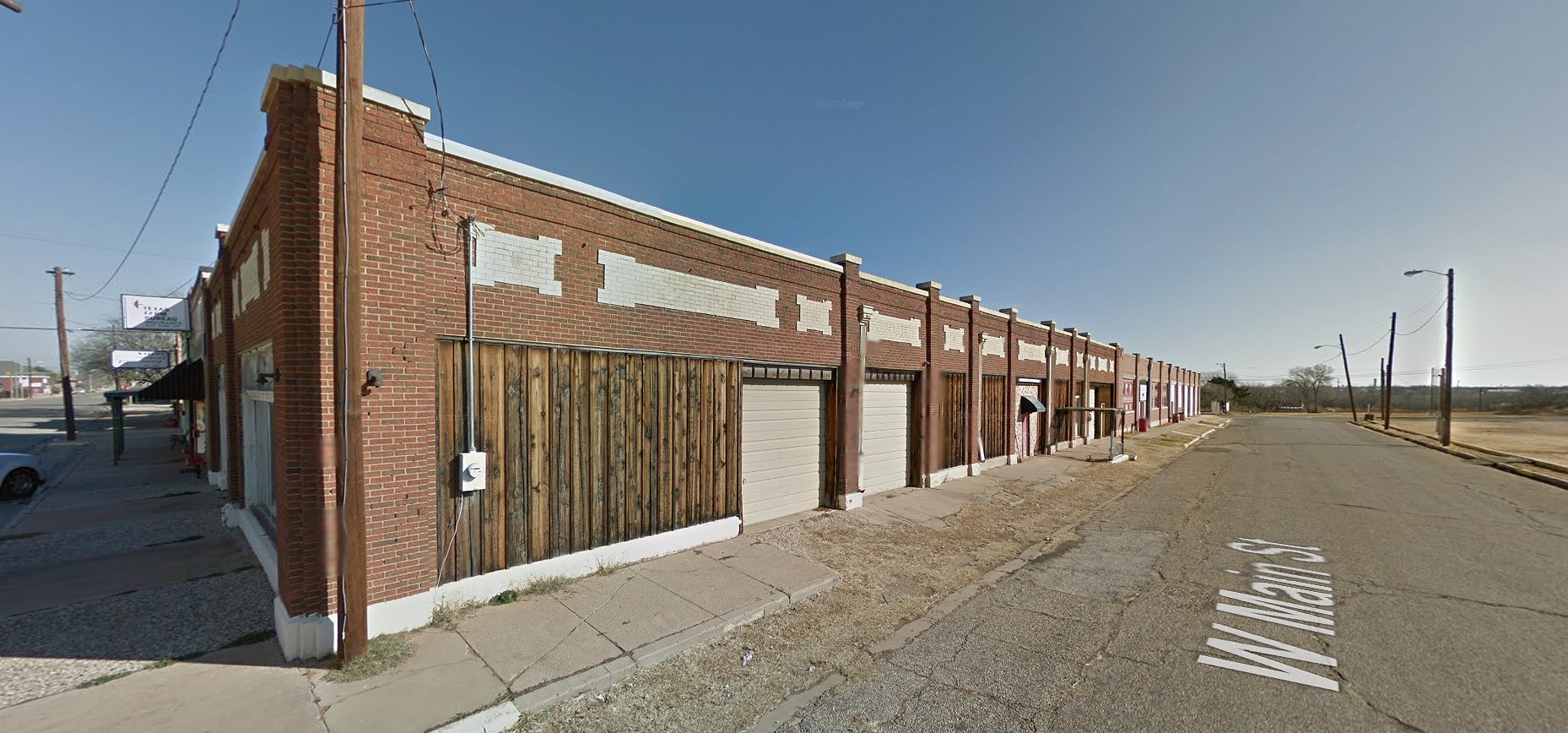
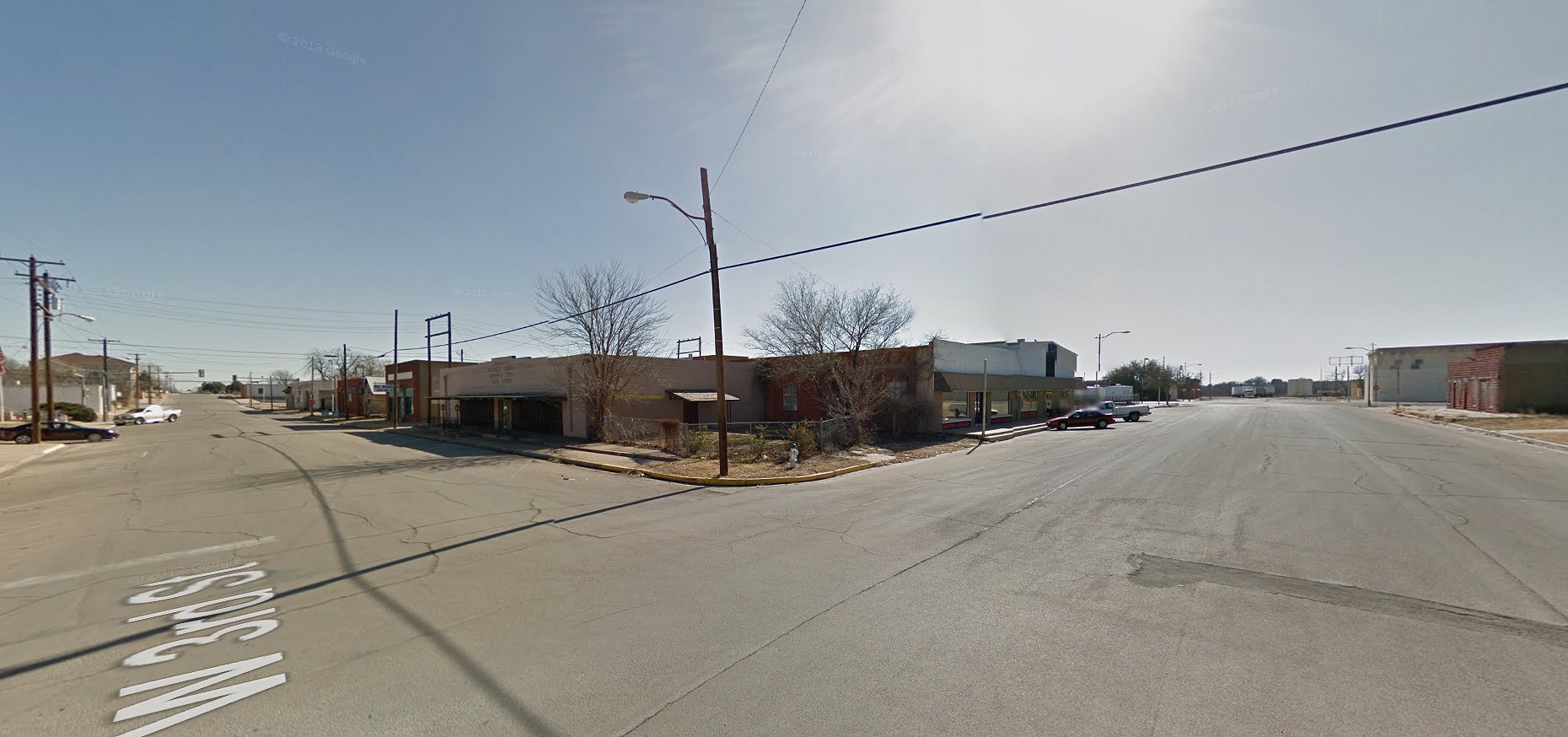
Texas Towns With Large Empty Buildings | Colorado City, Texas

Texas Historic Towns, old buildings in Texas, turning a dying town around, re-purposing old building, repurposing empty buildings. converting buildings into housing
The State Of Texas has some great, historic towns, but when I see some that once thrived but are no longer doing so, it breaks my heart, and it also makes me curious. I think about all the pioneers that settled there, and why they chose to do so. I also think about what it took to make the town grow, as well as what caused that to change. Why did business stop thriving, or close, which forces some of the residents to move where jobs are a lot more plentiful. I also think about all the great old buildings in those towns that are now sitting empty and the possibilities for re-purposing some of them into economical housing for retirees, who no longer need income to survive. Texas Historic Towns, old buildings in Texas, turning a dying town around, re-purposing old building, repurposing empty buildings. converting buildings into housing
The Baker Hotel, in Colorado City, Texas could probably be purchased at a good price and restored into a nice seniors condominium project that could include a restaurant, and gathering place on the first floor for it’s active residents and tourists. Would Colorado City’s current leaders be open to that sort possibility, and offer incentives that would attract visionaries and investors? Would those leaders be open to new ideas for their towns that would turn things around? If so, we would like to help.Texas Historic Towns, old buildings in Texas, turning a dying town around, re-purposing old building, repurposing empty buildings. converting buildings into housing
If it’s built will people come? I look at thriving Texas retirement towns like; Granbury, or Fredericksburg and notice they have a lot of things going on that draw retirees and tourist there, such as all the wineries on 290, and all the great shops in downtown Fredericksburg, which didn’t happen by chance. It look leaders with long range vision and the ability to attract businesses and investors to that great town, who were willing to help develop the vision. Granbury has a lake that runs through town and a charming downtown with lots of shops and dining options available. My family first bought a lake house in Granbury in 1970 and we have seen the tremendous growth over the decades. There are also multiple golf courses in Granbury, which make it very attractive to retirees who are looking to relocate. Spur Texas leaders are taking steps to help turn their town around by rolling out the red carpet for Tiny Home dwellers, and the more folks move there for that purpose the more it will attract new business opportunities. The growth in Spur won’t happen over night, but I believe the tiny homes welcome mat is a big step in the right direction. Texas Historic Towns, old buildings in Texas, turning a dying town around, re-purposing old building, repurposing empty buildings. converting buildings into housing
This is the first post about old Texas towns that once thrived, but have a lot potential turn around possibilities. Part of our vision with Texas Tiny Homes is to create residential communities for retirees in towns that have a lot to offer. Restoring an old hotel in a town like Colorado City is definitely something we would consider and be interested in helping create a new vision. Working with city leaders to create a new vision for their towns is also something we are interested in doing.
The History of Colorado City, Texas, the county seat of Mitchell County, is on the Colorado River, Lone Wolf Creek, U.S. Highway 20/80, State highways 208 and 163, and the Missouri Pacific Railroad, thirty-eight miles east of Big Spring and twenty-three miles south of Snyder in the north central part of the county. It has been called the “Mother City of West Texas” for its early origin as a ranger camp in 1877 and for its prominence as a cattlemen’s center. In 1881 the town was chosen county seat and acquired a station on the new Texas and Pacific Railway. Local ranchers hauled in tons of buffalo bones  for shipment to the East and loaded their empty wagons with provisions purchased from pioneer merchant William H. “Uncle Pete” Snyderqvand others. When the town was granted a post office in 1881 Prince A. Hazzard became the first postmaster. Water was hauled to town from Seven Wells and elsewhere and sold at fifty cents a barrel. The first school, conducted in a dugout in 1881, was moved to a building the next year, and soon a new building was built.By that time the town had between 200 and 300 residents and was a cattle-shipping center. Ranchers drove their cattle to Colorado City from as far north as Amarillo, from as far south as San Angelo, and from eastern New Mexico. Great herds were held until rail cars were available. After shipment, cowboys were free to enjoy the town’s amenities. Between 1881 and 1884 its five saloons multiplied to twenty-eight, and other businesses showed the same growth. The population was estimated as high as 6,000 in 1884–85. The boom slowed after the 1885–86 drought, however, and the 1890 population was 2,500.Texas Historic Towns, old buildings in Texas, turning a dying town around, re-purposing old building, repurposing empty buildings. converting buildings into housing In May 1881 W. P. Patterson, a prominent rancher, was shot down by Texas Rangersqv. Citizens blamed the shooting on the rangers’ feud with cattlemen, and the ranger camp was moved from town to Hackberry Springs, twenty miles southwest. When Amarillo developed with the arrival of the Fort Worth and Denver Railway in 1887 and when the Santa Fe Railroad reached San Angelo a year later, business in Colorado City declined sharply. During the 1890s salt mining was important to the local economy, but salt declined in importance after 1900.A second boom between 1900 and 1906 followed the influx of farmers. The population of Colorado City was 3,000 in 1906. By 1910 the town had a new public school, a waterworks, and an electric plant. In 1914 the population was estimated at 1,500, and the town had two banks and a newspaper, the Colorado City Record. Though the drought of 1916–18 adversely affected local farmers, interest in oil increased. In 1916 the Consolidated Oil and Gas Company of Colorado was organized by local bankers, businessmen, and merchants to develop the area’s oil and gas resources, and by 1920 oil production was a part of the local economy. The Col-Tex Refinery began operation in 1924. By 1926 a city hall had been built, the streets were paved, and a new sewage system was in operation.Texas Historic Towns, old buildings in Texas, turning a dying town around, re-purposing old building, repurposing empty buildings. converting buildings into housing In 1931 Colorado City had an estimated population of 4,761 and 200 businesses. By 1940 the population had increased to 5,213, but by 1945 the number of reported businesses had declined to 120. In the late 1940s increased oil activity in Mitchell, Scurry, Coke, and Borden counties caused some growth, and by 1949 the number of businesses in Colorado City had increased to 176. During the mid-1950s a drought, the longest on record, affected the area’s agricultural production, particularly of cotton. In 1955 the population was 6,774. Lake Colorado City, five miles southwest, was built in the late 1940s, and Champion Creek Reservoir, six miles south, was built in 1959. The population was estimated at 6,400 in 1965. The Col-Tex Refinery closed in 1969, but in the early 1970s new industries were established, including a meat-packing operation and a mobile-home plant. Colorado City had 5,300 residents and 126 businesses in 1975. In 1990 it had a population of 4,749, a hospital, and 104 businesses. Local attractions include the Colorado City Historical Museum, the Colorado City Playhouse, and an annual rodeo. In 2000 the population was 4,281, and the community contained 234 businesses.
Population in 2014: 4,133 (87% urban, 13% rural). Population change since 2000: -3.5%

Median resident age:   38.9 years
Texas median age:   34.4 years
Zip codes: 79512.
Estimated median household income in 2015: $50,421 (it was $22,842 in 2000)

Colorado City: $50,421
TX: $55,653

Estimated per capita income in 2015: $20,542 (it was $15,591 in 2000)

Colorado City city income, earnings, and wages data

Estimated median house or condo value in 2015: $34,312 (it was $28,500 in 2000)

Colorado City: $34,312
TX: $152,000

Read more: http://www.city-data.com/city/Colorado-City-Texas.html#ixzz4wDz90hW3
 

Can You Have an Air-Conditioning System Off Grid?

Having pioneered many of the green technology features found in today's new homes with my luxury home building company, Bryan Smith Homes, founded in 1977, I tried a lot of new products and energy saving approaches long before building green became a real focal point. Because of all the large homes we built, and the subdivisions my company developed were tied to the grid, I never built an off-grid home before, or one with a solar system included. When I launched Texas Tiny Homes in December of 2012, I began to realize many of our plan customers around the world were planning to build off grid, so decided to educate solar and wind generated power.

One of the first questions I had was; can an off-grid solar system handle an air-conditioning system? That is also one of the first things people in Texas and most southern states want to know as they consider an off grid lifestyle in a tiny house, or small home. This video, by DIY Homesteading provides some helpful information and his personal testimony on their own tiny RV home they just constructed in Arizona. Heating a tiny, or a small off-grid home doesn't require solar, so that's not the problem. You can go with a wood burning iron stove or some of the popular tiny home propane heaters work well. You can also go with a heat pump system as discussed below. 

The good news is; it IS possible to have air-condition system with a reasonable size and priced solar system, but you have to plan wisely when designing and building the home; including minimizing your exposure to the west sun. How you situate your home on the property is an important part of the equation. If your home is going to be one on a trailer, or it's one of our tiny or small homes that are too wide for trailers, they are usually rectangular in shape.  And because of that you will want to place the trailer, or build the home with the narrow ends facing east and west, therefore minimizing your exposure to the sun. It would be best if there were no windows on the end that catches the west sunset, but if you do have windows, you would want to go with super efficient units with triple pane glass that are argon filled. Making that exterior wall, 2" X 6" or 2" X 8" thick would also be an excellent idea. You will want to foam insulate that wall too, as well as all the exterior walls in the home as well as any ceilings that are also the roof rafters.

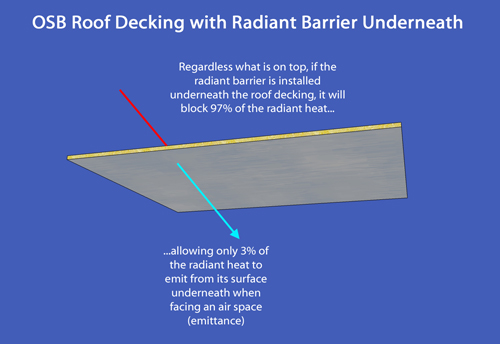
We plan to add 4' X 8' X 1" foam board sheathing on the exterior wall first before adding radiant barrier sheathing and then siding. Adding radiant barrier decking on the exterior walls before the siding goes on will reflect 97% of the radiant heat entering the home. The additional "R" value those items add to the exterior walls will help make the home even much easier to heat and cool, as well as maintain the temperature inside the home. Once the home is acclimatized to your desired temperature, it's much easier, and more economical to maintain that temperature with a super insulation design and installation as outlined above.

Image result for radiant barrier roof deckingAnother important step you will need to take in an effort to reduce the heat from the sunlight during the hot months is to use a radiant barrier roof decking before the the roof material is applied. That type of decking can reduce attic temperatures dramatically by reducing the radiant waves by 97%, and a cooler attic or roof keeps the inside of your home cooler. Using reflective, light colored roofing material is also an important part of the off-grid home when cooling it down. You would want to avoid a dark colored roof.

Image result for galvanized roofUsing this type of roof will reflect the sunlight rather than draw it into the home as popular, darker colored composition roofs will do, unless they have been manufactured with energy saving elements in the materials used. The good thing about a metal roof, manufactures apply paint to the metal that reflect infrared wavelengths, and you can actually receive a tax credit when installing energy saving roof materials.

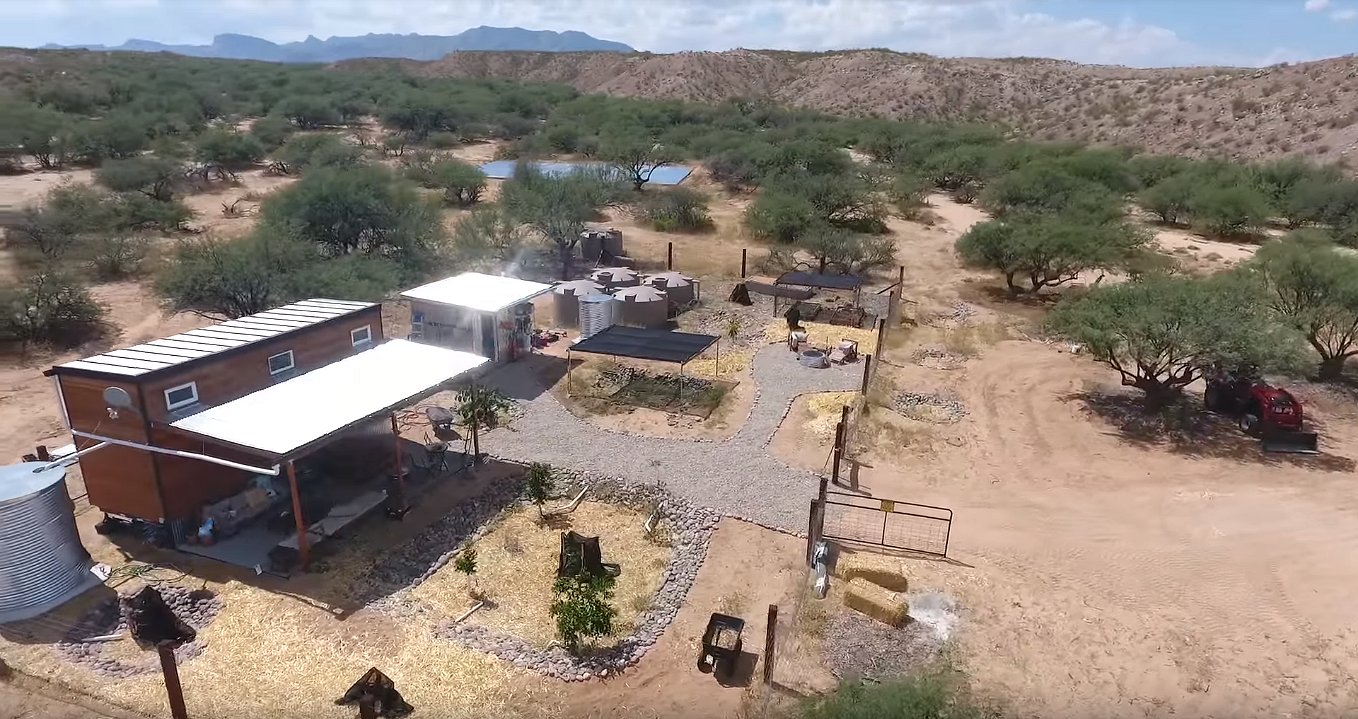
Another requirement with having an air-conditioner in your off-grid home is installing a low-voltage, high-seer mini split-system, which is much more economical to operate and uses a lot less valuable wattage from the battery bank. Because of how the tiny or small home is designed and built that include all these energy saving features mentioned, it will be much easier on the solar system to keep the home cool and also warm if you use the heat pump in the mini-split system. Having large shade trees on the end of the home that faces west is also another great idea, as long as it doesn't interfere with the solar panels sun exposure.

200+ Fruit Tree & Urban Garden In Tempe, Arizona

As you plan your future that may include; off grid living in a tiny or small home, or living off the land, or homesteading, as many in the tiny and small house movement are doing, this video by, DIY Homestead Project provides some great food for thought.  They visited, Jake, a vegan marshal arts athlete in Tempe, Arizona, to get a tour of his home's amazing garden he created to get some ideas and input for their homestead not far from Tempe. 

Arizona Tiny Homes, Arizona Homesteading, Arizona Tiny House Plans, Arizona Fruit Garden, Arizona Water Harvesting, Arizona Small HomesDIY Homestead Project is a young couple,  Derick and Hannah, who have purchased land and built a 24' feet long tiny house from scratch in the Arizona desert.  They are also digital entrepreneur nomads and promote a minimalist, debt free, lifestyle. They have some really great "How To" video's about their journey and we will be sharing some of those video's for those of you planning on building your own tiny or small home paradise.  


Rainwater Harvesting Tour

Joe, of Homesteadonomics, who is located out in Arizona has done a really nice job of designing, installing and living off a rainwater harvesting system for he and his family.  This video gives a detailed tour of his system. The following video is a Q and A on his system.

Granbury, Texas where Texas Tiny Homes is planning to build some small luxury homes averages around 35" inches of rainfall each year. Adding a rain-harvest system to supply the water needs for our homes is something I believe is possible, but have not sat down with the county health department to confirm that. I like the concept and will be exploring the possibilities, designing a workable system and its pricing.


Water Saving Shower Head | Save 1000’s of Gallons Per Year

This shower water conservation video is by Steven Harrell, who launched Tiny House Listings about 6 years ago. His website was instrumental and inspiration in Texas Tiny Homes formation in 2012. This video features a low flow shower head that can save thousands of gallons of water each year depending on the setting you chose. We have selected six water saving shower heads in our online store.  

Water conservation is so critical these days, but it’s also a requirement when living small, or off grid when water is hard to come by, and safely disposing it if your tiny and small home is not tied to a city sewage system, or if you are using a grey water filtering system. Texas Tiny Homes is looking at all the black and grey water disposal options for the new homes we are going to be build on our lots in Granbury, Texas and the less amount of water coming out the home the better. Water conserving shower heads will be an important and necessary feature in some of new home we build.