The Nimbus Concept

Tiny House Plans, Small Home Plans, Micro Tiny Home Plans, Micro Home Plans, Tiny Home plans, Tiny Homes, Tiny Houses, Tiny House Builder, Tiny Homes Builder, small houses, small house plans

The Nimbus Concept is a Futuristic, 4×4 Take on the VW Bus!

The Volkswagen Bus is a wonderful, iconic vehicle, but if you’ve seen “Little Miss Sunshine,” you’ll know that they are aging, and would make for a rather challenging vehicle to take on a road trip. But what if you could have all that style with modern reliability, and even more capability? The Nimbus might have you covered.
Tiny House Plans, Small Home Plans, Micro Tiny Home Plans, Micro Home Plans, Tiny Home plans, Tiny Homes, Tiny Houses, Tiny House Builder, Tiny Homes Builder, small houses, small house plans

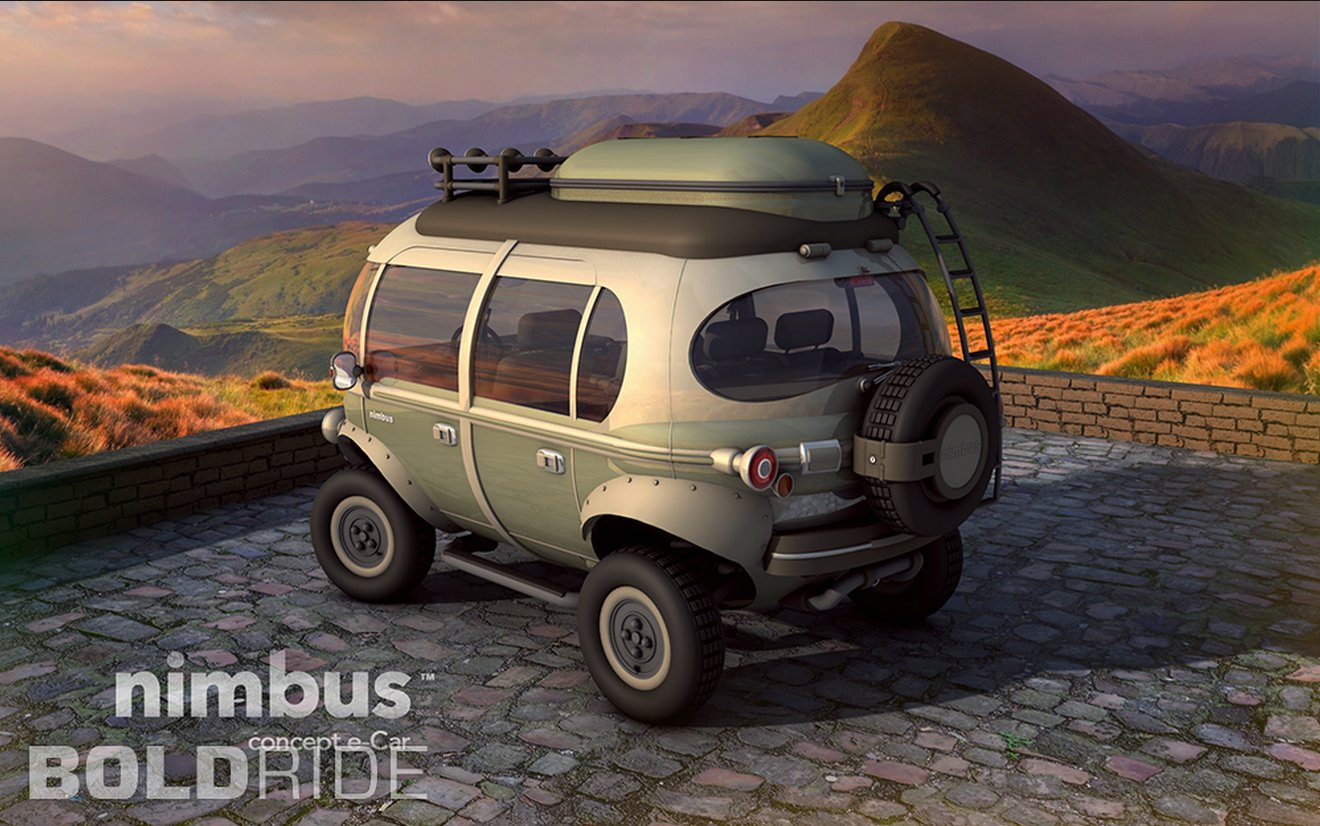
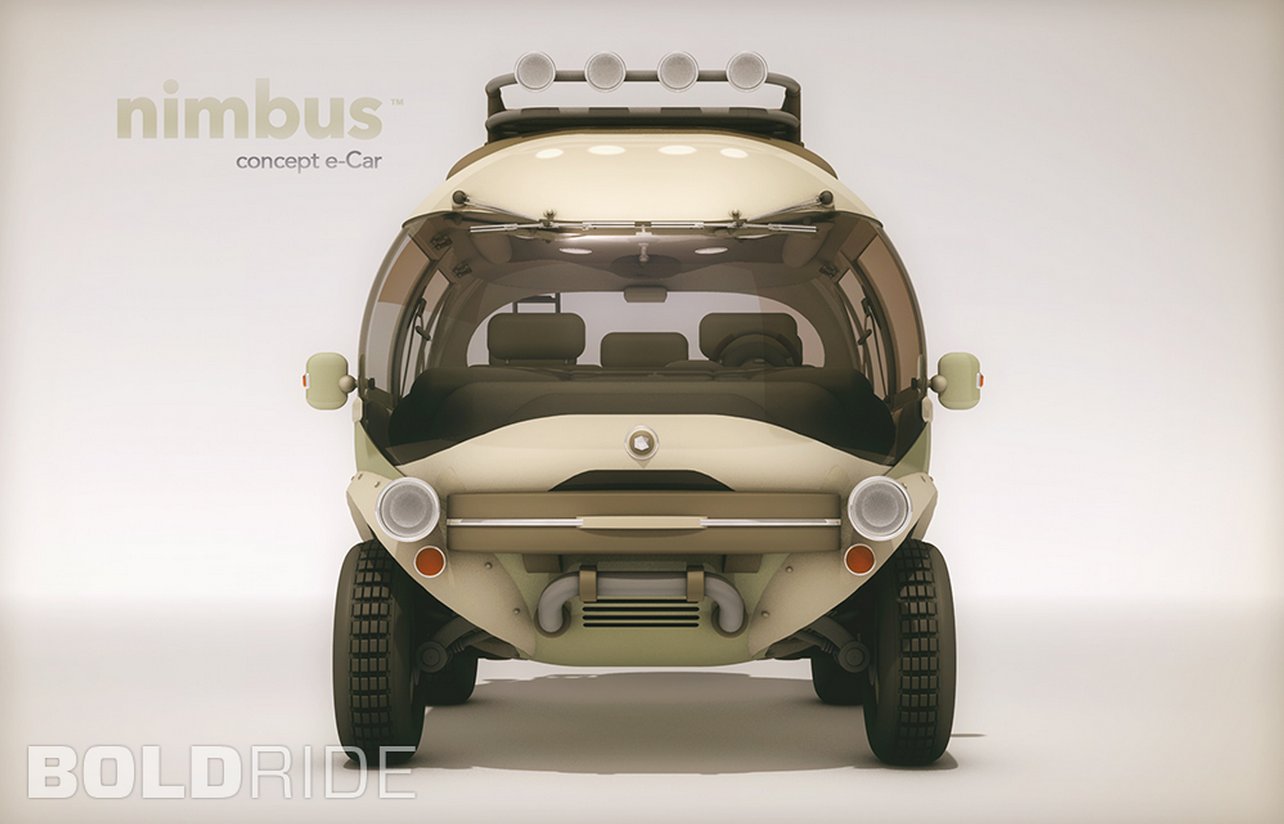
The Nimbus by Eduardo Galvanis takes cues from the original VW bus, but then also bakes in some Baja bug and Lunar lander to make a truly go-anywhere family vehicle. The design somehow manages to make the bulbous body shape masculine with touches such as off-road tires, a raised ride height and cargo rack with light bar.

Tiny House Plans, Small Home Plans, Micro Tiny Home Plans, Micro Home Plans, Tiny Home plans, Tiny Homes, Tiny Houses, Tiny House Builder, Tiny Homes Builder, small houses, small house plans

Considering energy needs in the future, the Nimbus is powered by an electric drivetrain with a small gas power generator (think of the powertrain in the Chevy Volt). It has four drive modes- Energy Saver for city use, Standard Mode, Faster Cruise, and Four Wheel drive. It would use a lithium-ion battery and incorporate regenerative braking. The Nimbus is well connected, with a center touchscreen for internet access, as well as four USB ports. But the source post at Dornob points out that its best feature might be the large windows, providing massive views of whatever destination you seek.
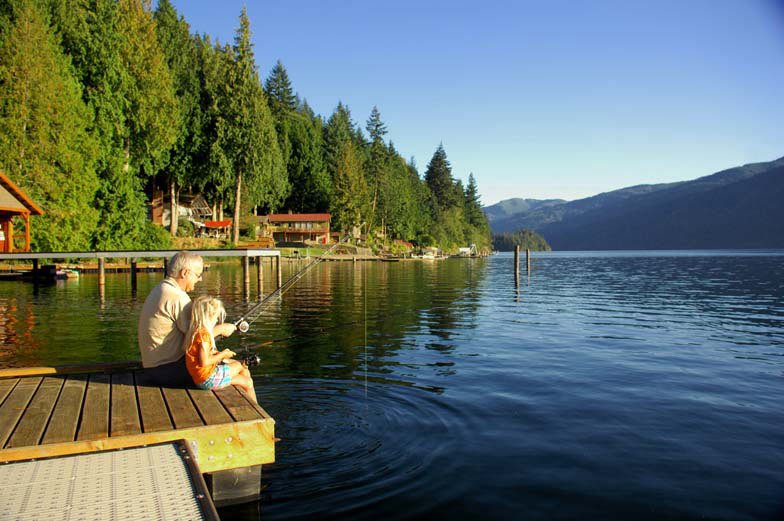


Wildwood | Lake Whatcom | Washington State

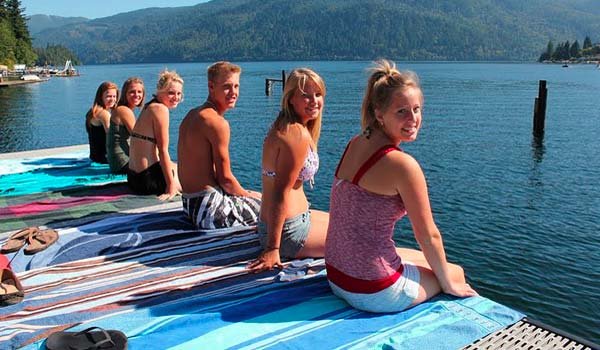
Washington State Article 5In the northwestern corner of Washington State, just ninety minutes north of Seattle and forty-five minutes from the Canadian border lies one of the largest, most beautiful timber-lined lakes in the entire Northwest. Lake Whatcom. And it remains to this day, a pristine natural gem little known outside of the immediate surrounding area.
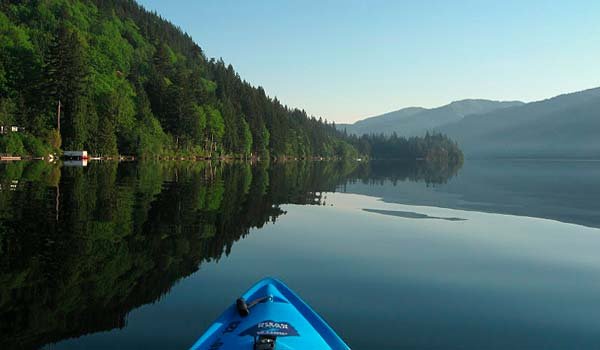
Washington State ArticleOver 12 miles long, Lake Whatcom, the fourth largest lake in Washington State extends northwest from the foothills of the Cascade Mountains to the city of Bellingham. And Wildwood’s lakefront cottages rest right at the lake’s pristine southern shores on a quiet and serene bay where the lake gets up to 70 (F) degrees come summer.

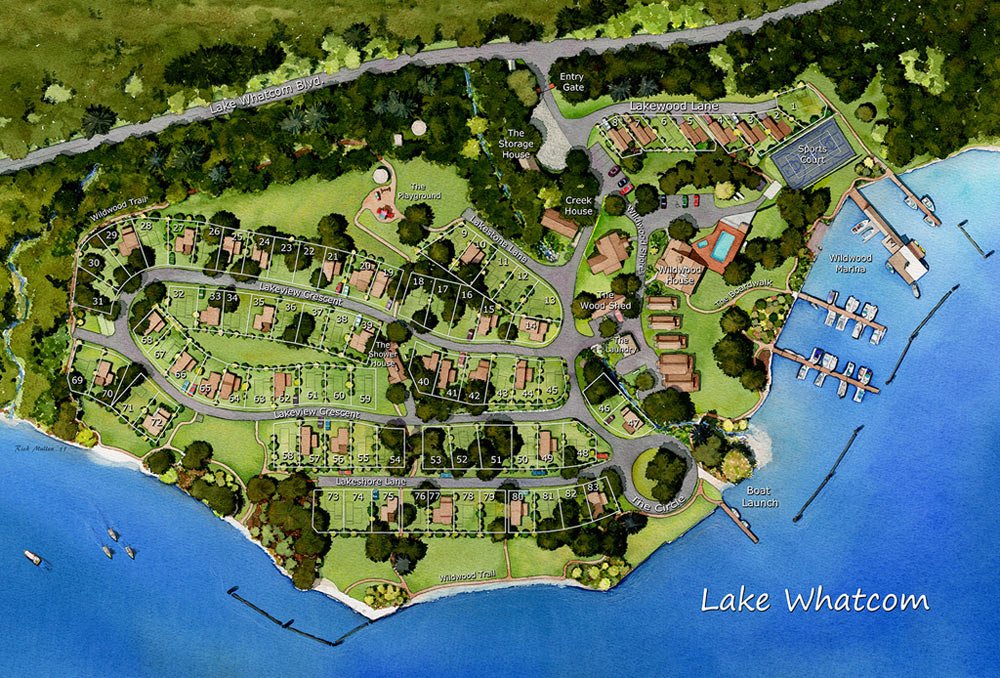
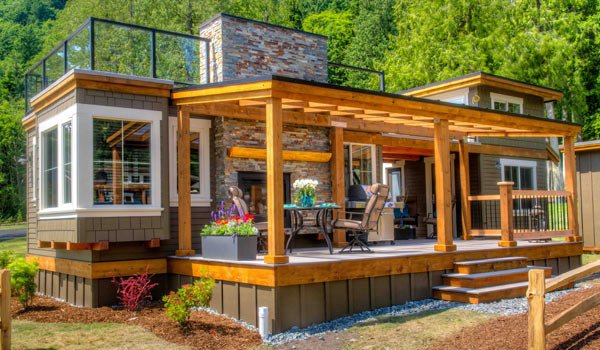
Washington State Article 4This affordable and picturesque lakefront cottage community is the last lakefront resort to be built on Lake Whatcom. Quaint cottages, swim beaches, private marina, outdoor heated pool and hot tub, playground and sports court; Wildwood has everything your family needs for your home away from home. Don’t miss out on a very rare real estate opportunity to purchase your own lakefront cottage.

Washington State Article 3As the fresh water reservoir for Bellingham, the care given to this important asset is meticulous…yet it is a wonderful recreation source where water sports flourish in perfect harmony. While the north end of Lake Whatcom is dotted with large luxurious homes, the south end is essentially untouched. A few cabins peek out from behind the trees. Nature abounds and fishing for bass, trout and perch is all at your doorstep. Wildwood’s  cottages for sale on Lake Whatcom – pure magic!

Washington State Article 2Here on South Bay at Wildwood very little development has taken place and it will remain that way. The crystal clear waters and the views of this sapphire lake and green velvet mountains across the bay are quite simply awe-inspiring. Wildwood’s intimate lakefront cottages will become the foundation for memories that will bond you and your family and create a legacy that will continue for generations to come.

To find out more about Wildwood click here!


Brilliant Architectural Ideas, Brought to Life in a Low-Budget Orphanage –

It’s hard to get excited about an orphanage, but Norwegian social worker Ole-Jørgen Edna proves they don’t have to embody the scary stories of Dickens and Annie.Edna was 20 when he left home to visit a small village in Thailand before starting college. After seeing the devastation caused by a border conflict with Burma, and a staggering number of orphans, he scrapped his plan for school and decided to care for three orphaned children.
 
Over time, he took on more kids and during a brief visit home met with a fledgling architecture firm called TYIN Tegnestue. The architects jumped at the chance to design new homes for these displaced children.The original assignment was to build an orphanage, a traditional bunk house that could shelter his three children and others from surrounding areas. “As our orphanage has a Christian background they felt it would be like starting a new mission station, which they did not want to be a part of,” says Edna. Instead, they developed a concept that would meet the children’s needs while reflecting the designer’s aesthetic sensibilities.The result is six “Soe Ker Tie,” which translates to “butterfly houses.” Each is bright, constructed from bamboo and timber. Instead of stuffing everyone into a communal building, each small structure houses a few children. “They make up a nice community of houses where the children can have the privacy of their own house, yet still be a part of a bigger structure,” says Edna.

Instead of stuffing everyone into a communal building, each small structure can house a few children. Each building is a mix of advanced architectural thought and local construction expertise. The designers brought a modern sensibility with contemporary forms, spots of vibrant color, and soaring roof lines. They also had to adapt their Western training to work with local materials–concrete footings were cast inside old tires, and walls were woven from bamboo. There were no blueprints or CAD files; all the plans were sketched on whiteboards. Amazingly, the project was completed for just $11,000.


As you’d expect from novice designers, some changes were necessary upon completion. Floor-to-ceiling bunks gave way to a second floor that gave kids a place to store their personal possessions–while preventing kids from from rolling out of their beds. “It was kind of a dangerous way of sleeping as it was a steep drop if kids fell down, and there was not much done to prevent that from happening,” says Edna. “The younger kids also prefer to sleep closer together, which was a little difficult with the set up of the buildings.” The design team also spent time sprucing up the landscape surrounding the homes, crafting swings made from bamboo and rope and communal play areas.


Beyond the six buildings, the project yielded lasting benefits. Designers from TYIN Tegnestue have gone on to work on other projects in the developing world. Local builders gained experience with principles of architectural bracing and dealing with moisture. And Edna internalized the lessons and is applying them to his next building, a community center and school for these displaced children, which is currently being crowdfunded.

BY 

The Oregonian | Texas Tiny Homes

OregonLive.com

Special thanks to Pat Jeffries, The Oregonian for including Texas Tiny Homes in a feature article about Tiny homes.

I have never been to Oregon, but need to add it to my, “locations to scout out” list for possible model home sites. An ex-brother-in-law, Terry Darter moved up there back in the mid 70’s, bought acreage, and he and his lovely bride Linda built their very own rustic home on their land. They got pretty creative with it’s design and finish-out. I use to daydream about that kind of natural living whenever I would see pictures of their home, and its gorgeous, remote setting. This is the featured article.