Camp Wandawega | Elkhorn, Wisconsin

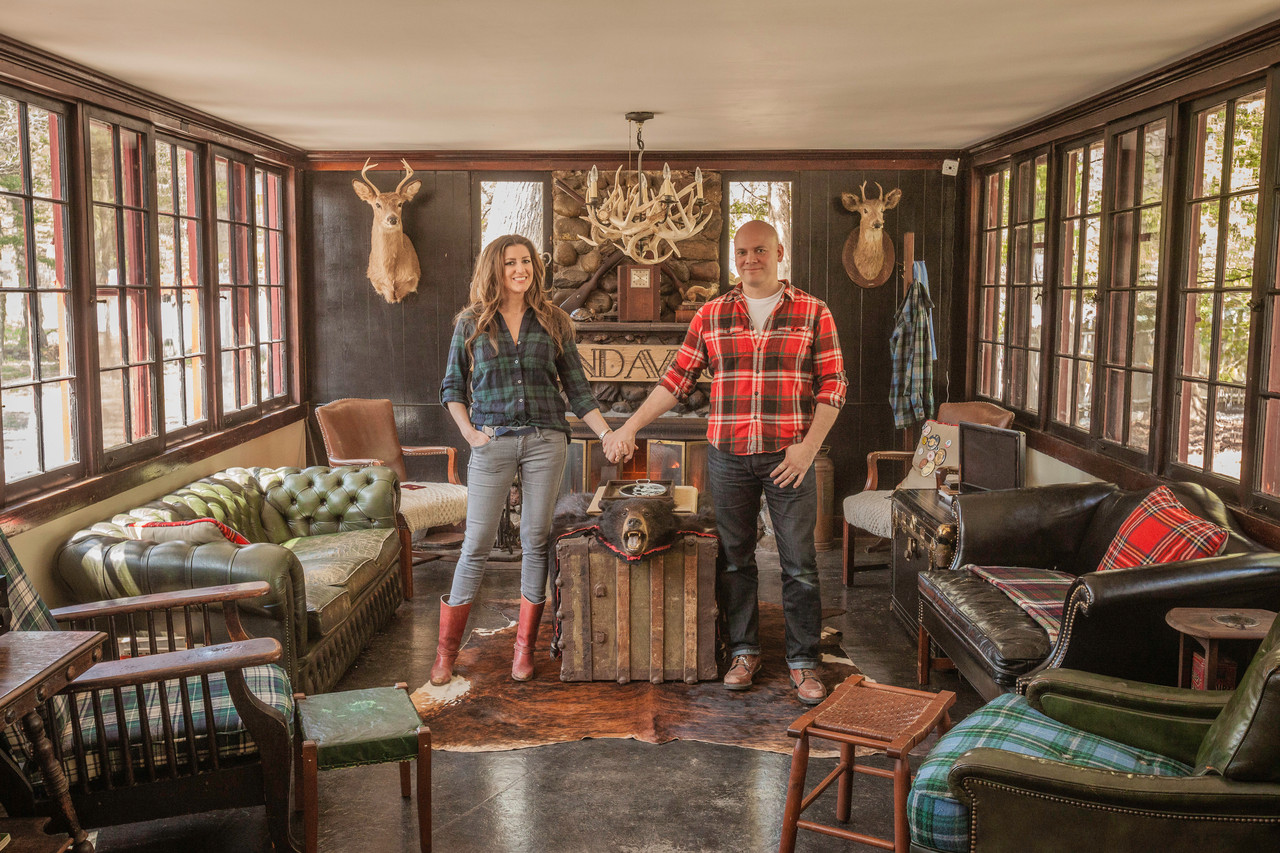
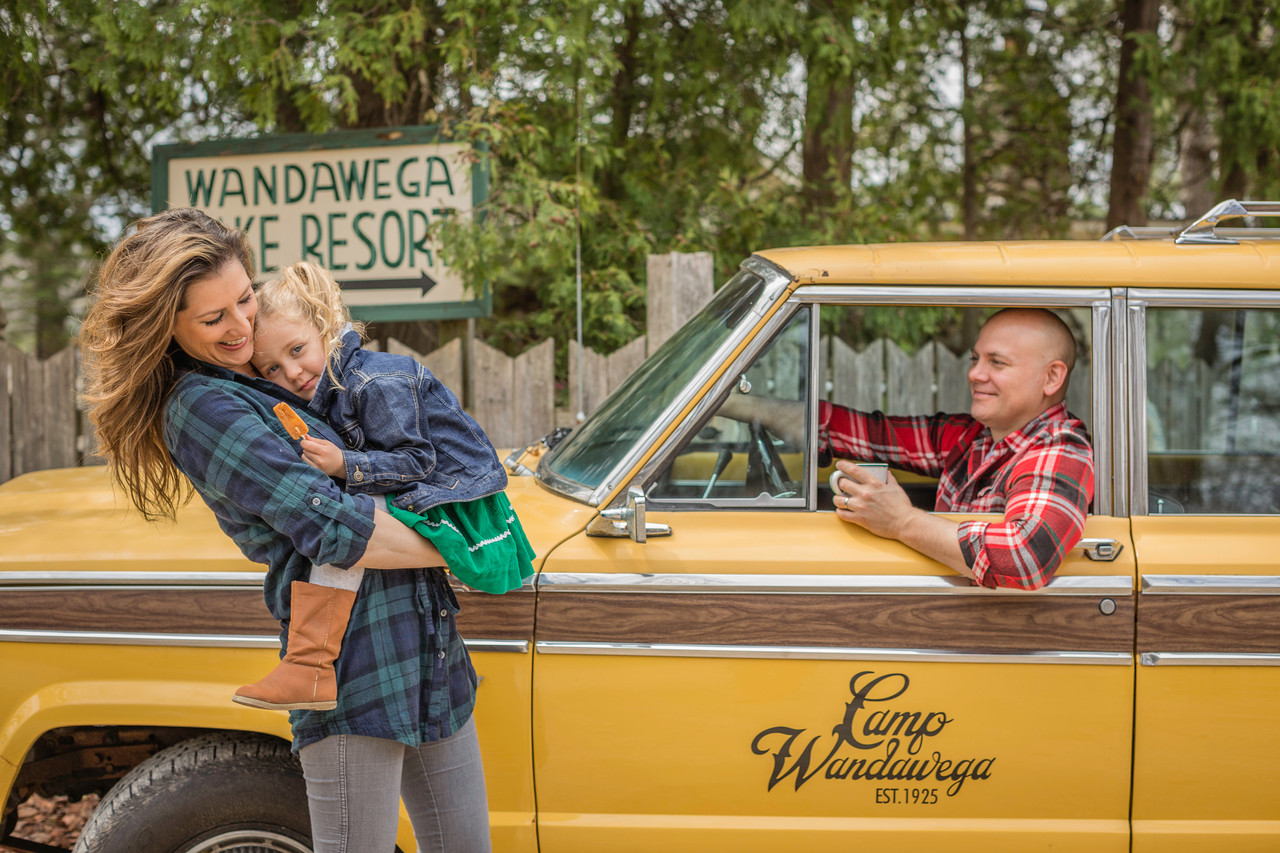
Tiny House Plans, Small Home Plans, Micro Tiny Home Plans, Micro Home Plans, Tiny Home plans, Tiny Homes, Tiny Houses, Tiny House Builder, Tiny Homes Builder, small houses, small house plans‘This is an opportunity to go back in time,’ says David Hernandez, who attended Camp Wandawega, in Elkhorn, Wis., as a child. He bought the camp with his wife, Tereasa Surratt, for about $400,000
Tiny House Plans, Small Home Plans, Micro Tiny Home Plans, Micro Home Plans, Tiny Home plans, Tiny Homes, Tiny Houses, Tiny House Builder, Tiny Homes Builder, small houses, small house plans

Nostalgia motivated David Hernandez and his wife Tereasa Surratt to buy the 25-acre camp where Mr. Hernandez spent summers in his youth. The same emotion has helped turn their vacation property into a marketing phenomenon.
Tiny House Plans, Small Home Plans, Micro Tiny Home Plans, Micro Home Plans, Tiny Home plans, Tiny Homes, Tiny Houses, Tiny House Builder, Tiny Homes Builder, small houses, small house plans

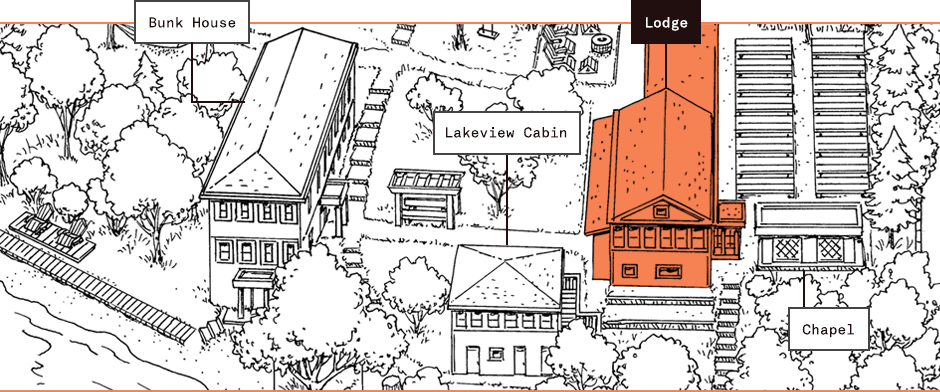
Camp Wandawega, in Elkhorn, Wis., about 90 miles north of Chicago, was for years run by the Catholic church primarily for Latvian immigrants. Its origins are racier: It was originally built in 1925 as a site for prostitution and illicit liquor sales during Prohibition.
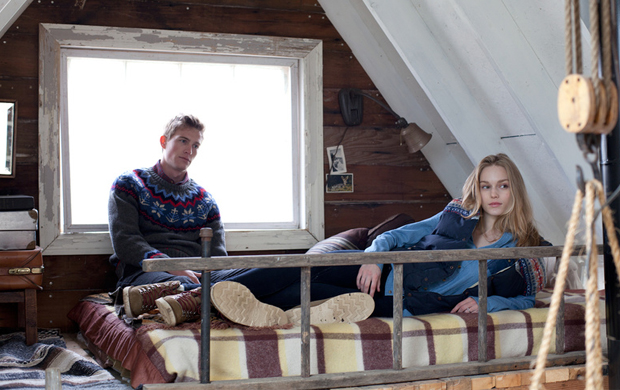
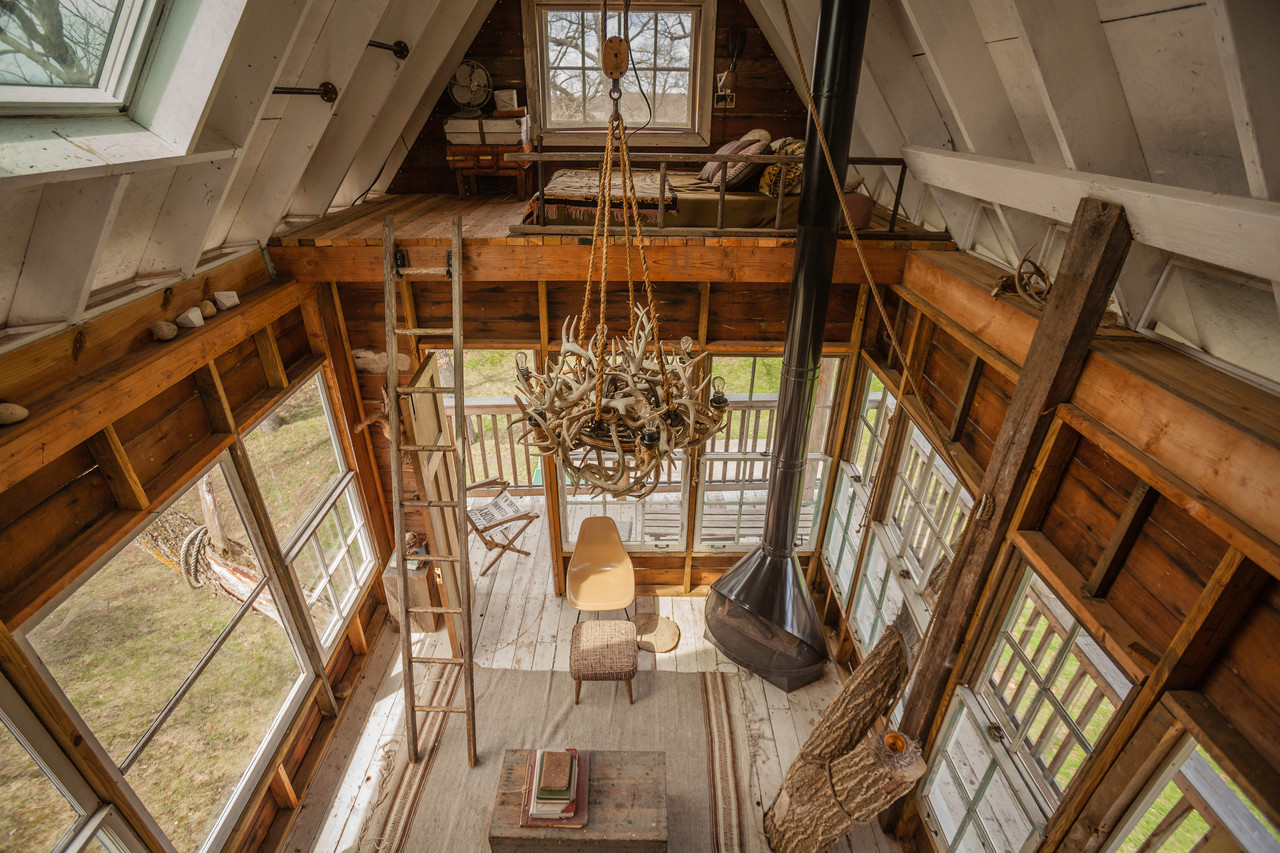
Tiny House Plans, Small Home Plans, Micro Tiny Home Plans, Micro Home Plans, Tiny Home plans, Tiny Homes, Tiny Houses, Tiny House Builder, Tiny Homes Builder, small houses, small house plansMr. Hernandez and Ms. Surratt, both advertising executives at Ogilvy & Mather in Chicago, bought the camp for around $400,000 in derelict condition in 2004. They spent years slowly restoring the property, filling it with flea market finds—from teacups to tennis rackets to canoe paddles—made from 1925 to the 1960s.
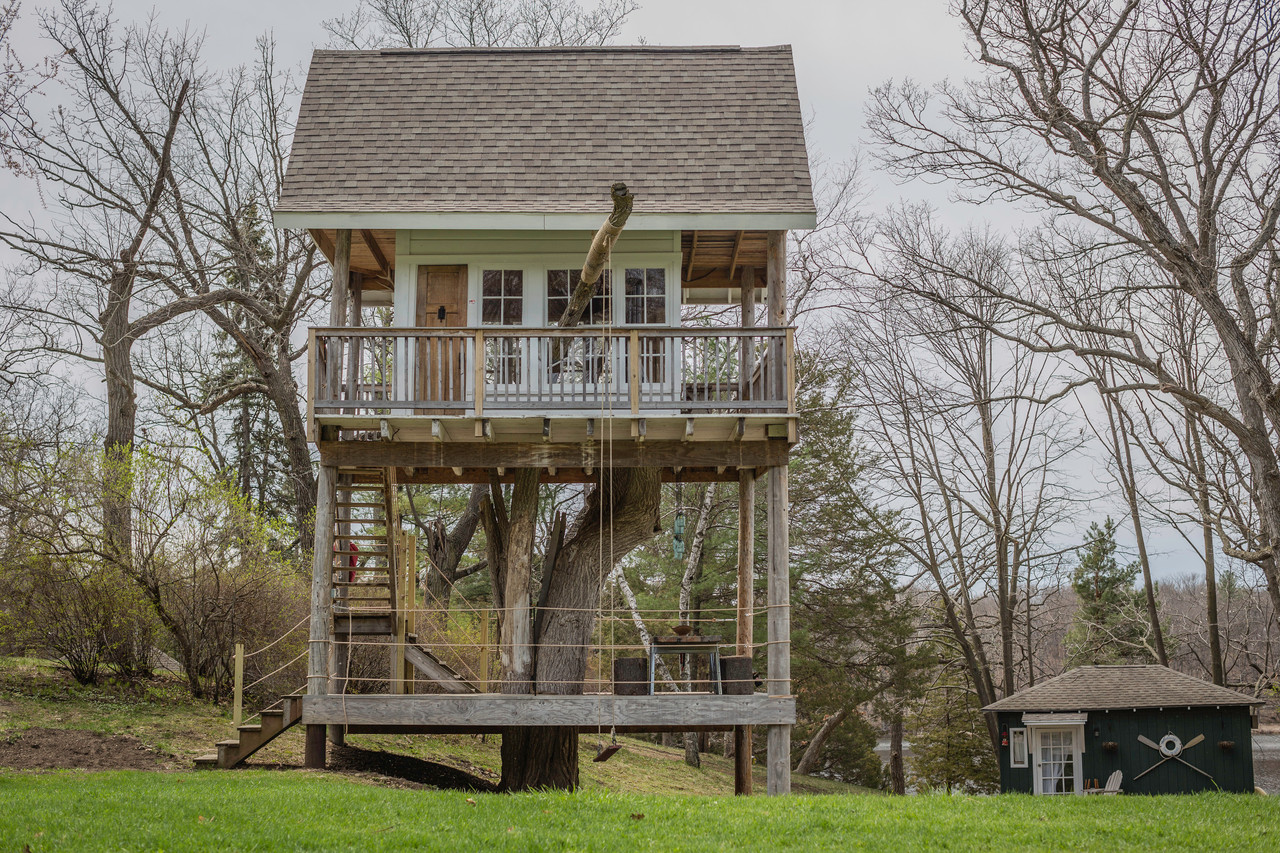
Tiny House Plans, Small Home Plans, Micro Tiny Home Plans, Micro Home Plans, Tiny Home plans, Tiny Homes, Tiny Houses, Tiny House Builder, Tiny Homes Builder, small houses, small house plansFriends and family helped fill the 65 rooms across eight structures during the summer, though the couple never installed air conditioning or televisions.
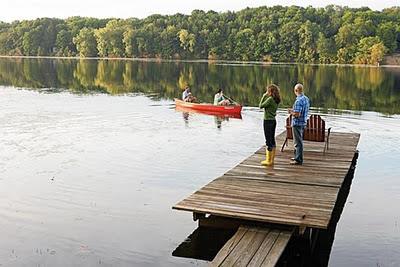
Tiny House Plans, Small Home Plans, Micro Tiny Home Plans, Micro Home Plans, Tiny Home plans, Tiny Homes, Tiny Houses, Tiny House Builder, Tiny Homes Builder, small houses, small house plans“We bought it because we wanted to save it, with absolutely no financial plan. It was basically like our summer home,” said Ms. Surratt.

Gradually, however, word of their rustic retreat spread and the couple began renting the camp out for corporate retreats and weddings. They use the income to pay for charitable events, including a weekly church service and free camp activities for the community.
Tiny House Plans, Small Home Plans, Micro Tiny Home Plans, Micro Home Plans, Tiny Home plans, Tiny Homes, Tiny Houses, Tiny House Builder, Tiny Homes Builder, small houses, small house plans

Camp Wanadwega looks like a really great place to visit and stay at. Check out the really cool Camp Wandawega website, it has lots of great pictures and information.


Glen Rose, Texas | Dulcimer Festival

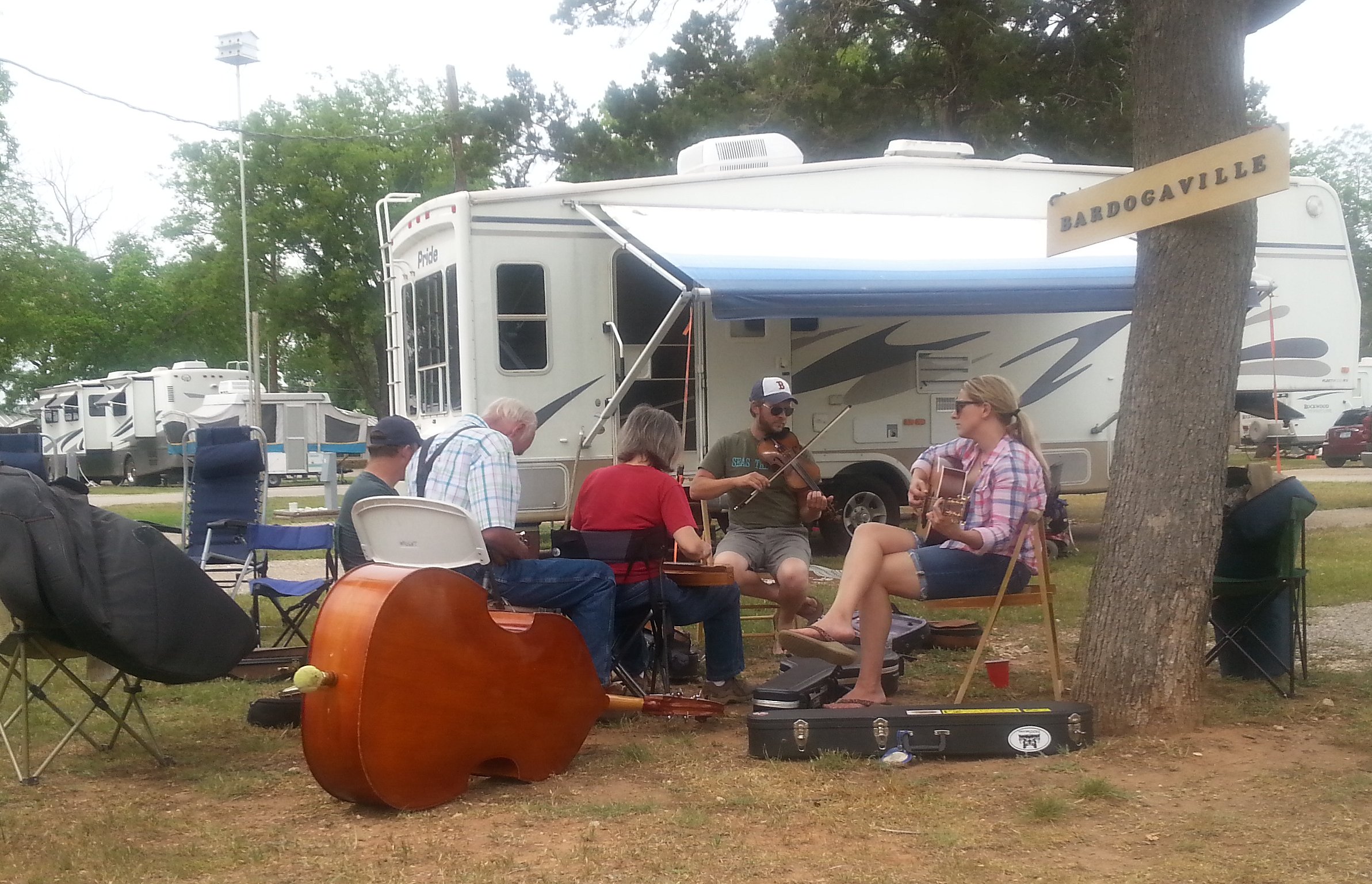
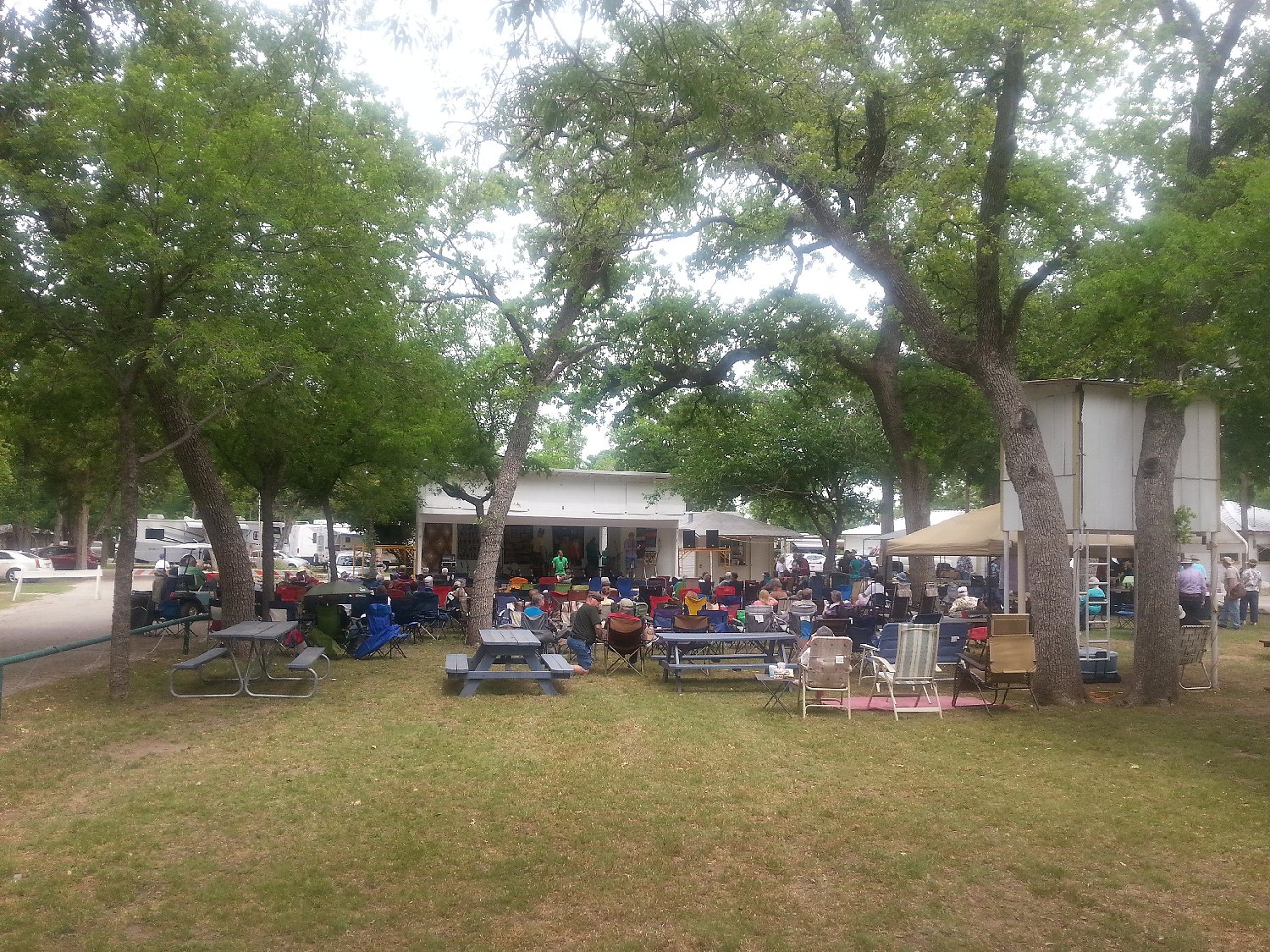
Tiny House Plans, Small Home Plans, Micro Tiny Home Plans, Micro Home Plans, Tiny Home plans, Tiny Homes, Tiny Houses, Tiny House Builder, Tiny Homes Builder, small houses, small house plansWhile exploring Glen Rose Texas the other day with a dear friend we stumbled upon the Lone Star State Dulcimer Society Festival, which was just getting started at the historic, Oakdale Park, a well known camp ground, RV park and cabin rental facility in the Heart of Glen Rose, and located directly across the street from the Paluxy River.

Dulcimer, Glen Rose Dulcimer Festival, Dulcimer Music, Lonestar Dulcimer Festival,

Oakdale Park not only features one of the oldest concrete swimming pools in Texas, it’s home to many long running music festivals, primarily bluegrass music. My friend and I had never been to a Dulcimer Festival before so it was pretty cool to experience some of the opening day at the annual, 3-day event, as well as meet some nice folks who appreciate and support that kind of sound and music.

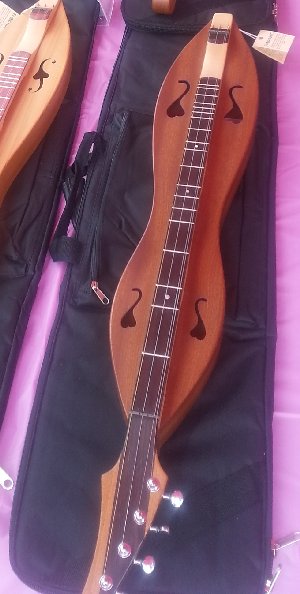
The Dulcimer is a stringed musical instrument originated in the Middle East and was adopted in Europe in the Middle Ages. It is a wooden box with strings stretched over it that are struck with small mallets. The number of strings may vary.  It’s known in varying forms, in Turkey, Iran, China (including Tibet), and other parts of Asia, and N. Africa. The popularity of the dulcimer continued in Western Europe until the 17th cent., when it sharply declined, though a German, Pantaleon Hebenstreit, enlarged it to make an instrument called the pantaleon in the early 18th century. It is still much used in Eastern Europe in Gypsy bands. In Appalachia, a plucked dulcimer, very similar to the zither, is very popular. It has an elongated hourglass shape and is held on the player’s lap. 

 Glen Rose Dulcimer Festival, Dulcimer Music, Lonestar Dulcimer Festival, The Wright Family(the Wright Family warming up before taking the stage)


Willie Nelson’s Old Tour Bus Is For Sale

willie2560.jpg

The beaut above is a 1983 Eagle that gets an eco-friendly seven miles per gallon when the generator is running. It’s got crushed velvet curtains, and — just a guess here — a few dozen places to hide your weed. Because, oh yeah, it’s Willie Nelson’s old tour bus, and it’s hard to look at without daydreaming about living a life on the open road in all the glorious comfort she no-doubt offers. If you want it, you should act now, because the guy who listed it says his phone hasn’t stopped ringing since he listed it on easttexas.craigslist.com Sunday night. “It’s been non-stop,” he says. “I’ve gotten calls from as far as Washington state and New York,” he told us when we called him ourselves. His name is Alan. He was very polite (naturally — Texas). Here’s the story he gave us about this treasure.

willie3560.jpg

Alan works in IT and listed the bus for an older friend who isn’t quite so tech savvy. That friend does lots of business in and around Texas and its neighboring states, and so when he was tipped off to something rumored to be Willie Nelson’s old tour bus being sold in Alabama, he checked it out. He bought it “three or four” years ago, and has used it frequently ever since. He’s “giving up the hobby” and is ready to unload it. He owns “several other vehicles” according to Alan.

Alan says the frequent calls he’s fielding from curious buyers are 75-percent serious. Some, like us, just have questions.

willie5560.jpg


Brilliant Architectural Ideas, Brought to Life in a Low-Budget Orphanage –

It’s hard to get excited about an orphanage, but Norwegian social worker Ole-Jørgen Edna proves they don’t have to embody the scary stories of Dickens and Annie.Edna was 20 when he left home to visit a small village in Thailand before starting college. After seeing the devastation caused by a border conflict with Burma, and a staggering number of orphans, he scrapped his plan for school and decided to care for three orphaned children.
 
Over time, he took on more kids and during a brief visit home met with a fledgling architecture firm called TYIN Tegnestue. The architects jumped at the chance to design new homes for these displaced children.The original assignment was to build an orphanage, a traditional bunk house that could shelter his three children and others from surrounding areas. “As our orphanage has a Christian background they felt it would be like starting a new mission station, which they did not want to be a part of,” says Edna. Instead, they developed a concept that would meet the children’s needs while reflecting the designer’s aesthetic sensibilities.The result is six “Soe Ker Tie,” which translates to “butterfly houses.” Each is bright, constructed from bamboo and timber. Instead of stuffing everyone into a communal building, each small structure houses a few children. “They make up a nice community of houses where the children can have the privacy of their own house, yet still be a part of a bigger structure,” says Edna.

Instead of stuffing everyone into a communal building, each small structure can house a few children. Each building is a mix of advanced architectural thought and local construction expertise. The designers brought a modern sensibility with contemporary forms, spots of vibrant color, and soaring roof lines. They also had to adapt their Western training to work with local materials–concrete footings were cast inside old tires, and walls were woven from bamboo. There were no blueprints or CAD files; all the plans were sketched on whiteboards. Amazingly, the project was completed for just $11,000.


As you’d expect from novice designers, some changes were necessary upon completion. Floor-to-ceiling bunks gave way to a second floor that gave kids a place to store their personal possessions–while preventing kids from from rolling out of their beds. “It was kind of a dangerous way of sleeping as it was a steep drop if kids fell down, and there was not much done to prevent that from happening,” says Edna. “The younger kids also prefer to sleep closer together, which was a little difficult with the set up of the buildings.” The design team also spent time sprucing up the landscape surrounding the homes, crafting swings made from bamboo and rope and communal play areas.


Beyond the six buildings, the project yielded lasting benefits. Designers from TYIN Tegnestue have gone on to work on other projects in the developing world. Local builders gained experience with principles of architectural bracing and dealing with moisture. And Edna internalized the lessons and is applying them to his next building, a community center and school for these displaced children, which is currently being crowdfunded.

BY 

Start Your Own Offshore Nation | Seasteaders

Andras Gyorfi's winning entry in The Seasteading Institute's 2009 design contest. The institute supports the idea of permanent, autonomous offshore communities, but it does not intend to construct its own seasteads.Almost all of us have complaints about the government, which probably range from high taxes to too much bureaucracy. Periodically, we get to take our frustrations out at the voting booth. But no matter how unhappy you may be, you probably never thought, “I’m going get out of here and go start my own country.”

A group of rich techies in Northern California is planning on starting its own nation on artificial islands in the ocean. They call themselves “seasteaders” and are sort of a mix between geeks and hippies.

The visionary behind the group is Patri Friedman. The former Google software engineer also happens to be the grandson of the Nobel Prize-winning economist and free marketeer Milton Friedman.

It’s his voice that opens a trailer for a documentary about the seasteaders. As his words float above visuals of rolling waves we hear what sounds like a vision of paradise at sea.

Friedman imagines that on these islands there will be “a lot of tourism from the world. The most cutting-edge hospital facilities on the planet. Probably the largest fish farms in the world.”

A winning entry in the Seasteading Design Contest by Emerson Stepp.

Courtesy of The Seasteading Institute.

And for foodies: “Best sushi you can imagine.”

For-Profit Communities

The seasteaders have been meeting regularly at bars in Silicon Valley and San Francisco to discuss their plans for creating nations at sea.

One meeting at a bar in Millbrae, Calif., drew a mix of people with long hair, beards and wizened faces; casually dressed engineer types; and a few suits. It was mostly guys.

There was a lot of chatter about what’s wrong with our country — everything from the school systems and the bickering in Washington to the rising price of health care and long lines at the department of motor vehicles.

“They just want to avoid taxes so they can own what they make,” says filmmaker Adam Jones, who became part of the group because he shares their frustration. “So they can truly be free and that’s the nature of true liberty and that’s what the founders wanted in America.”

To find out more about Seasteaders click on this link